
-
AuthorSearch Results
-
June 30, 2025 at 5:47 pm #26951
In reply to: Forex Forum
June 28, 2025 at 3:46 pm #26884In reply to: Forex Forum
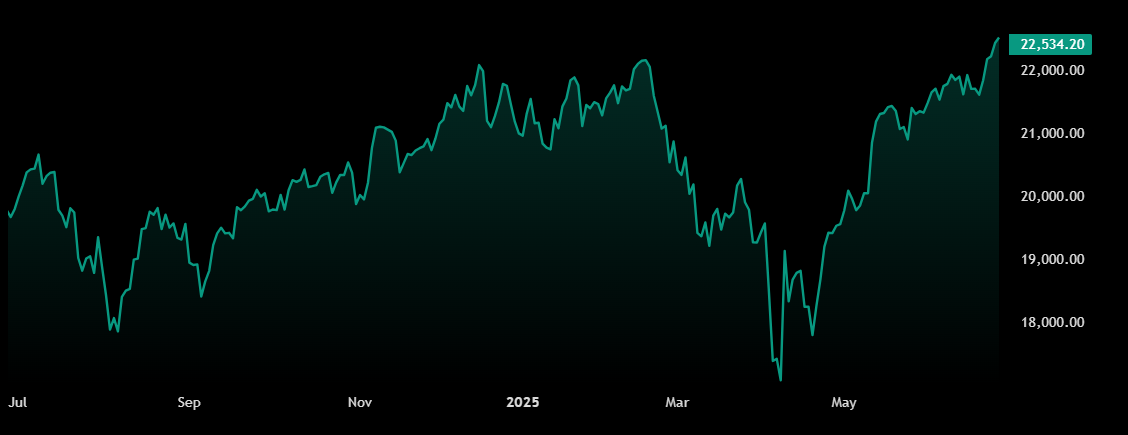
IXIC: Nasdaq Composite Hits Record Close as Tech-Dense Index Adds 32% Since April Lows
Key points:
· Nasdaq charts record highs
· What a magnificent comeback
· Nvidia leading the broader group
Yep — you read that right. Just over 32%, or one-third, of the index’s valuation was added in the span of just three months.
Celebrate Bull Times — Come On
· The Nasdaq Composite index IXIC rewrote history on Friday, notching its brand-new all-time closing high. Techy guys, this one goes out to you — the tech-heavy index added 0.5% to log out at 20,273.46 points.
· That’s the first record since the index’s December peak and comes amid all kinds of mixed-bag data, diverging outlook for the global economy, and — of course — Trump’s confusing rhetoric.
· But, and perhaps more interesting to the math kids, the Nasdaq Composite is up 5% on the year, but 32% since its April crash when Trump introduced the tariffs.
Drumroll: And the Winners Are…
· In other words, one-third of the Nasdaq’s valuation — a total of $23 trillion — was added in the span of just three months. That’s $7 trillion in net new money pouring into the index, an average of about $2.3 trillion each month.
· The gargantuan amount is highly concentrated in a handful of stocks. Collectively called the Magnificent Seven, they are the heavy-hitters, the hyperscalers of the corporate world and are present in just about every serious fund manager’s portfolio.
· Nvidia NVDA, Microsoft MSFT, Apple AAPL, Amazon AMZN, Alphabet GOOGL, Meta META, and Tesla TSLA. That’s the reason those charts are flashing green arrows in uncharted territory.
Breakdown: Performance
· But not all are equal. The full club of seven is collectively down on the year — a negative 0.6% performance.
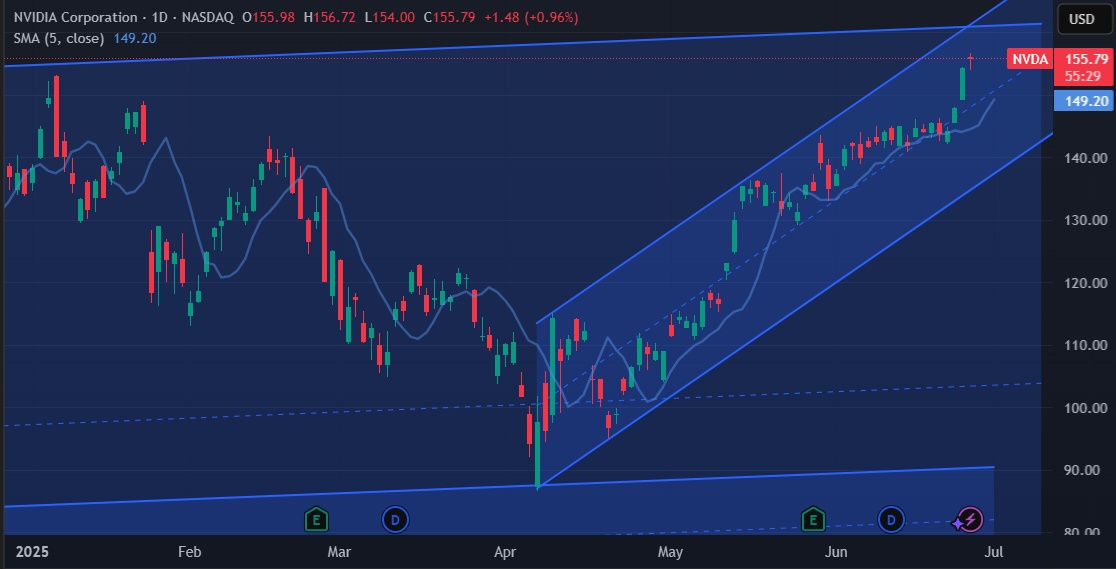
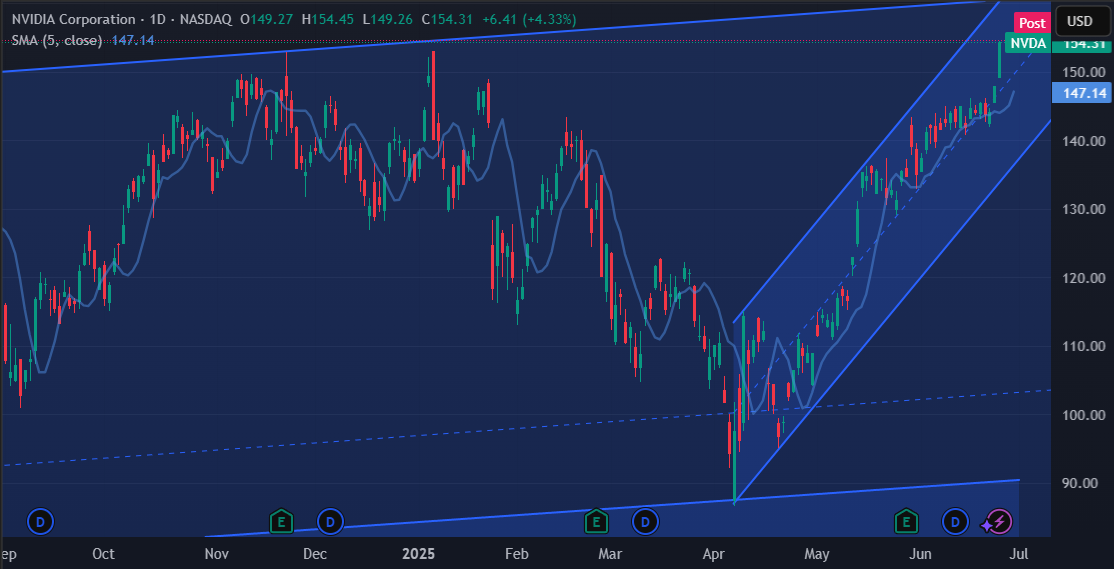
· Take Nvidia – Jensen Huang’s AI juggernaut. The shares are up just 15% this year, but more than 65% since the April lows. Presently, they’re chasing the formidable $4 trillion valuation, with just about $200 billion left to pull in.
· Meta is up 21% and Microsoft is up by 17%. The other four are on the other side of the ledger for the year. But all are up between 15% and 50% from the April selloff.
 June 28, 2025 at 3:40 pm #26883
In reply to: Forex Forum
SPX: S&P 500 Clocks Record Close as US Stocks Stage Fabolous Comeback. What’s Behind Rally?
Key points:
· S&P 500 index books new all-time high
· Economic reality ≠ stocks at records
· What stocks are doing all the work?
Equity prices are on a tear — that’s for sure. But is that a good benchmark of economic health? After all, GDP contracted in the first quarter.
📈 S&P 500 Hits Record Close
· The S&P 500 index (SPX) notched an all-time closing high Friday, reversing course from its steep April drop and bouncing back more than 24% from that point to get where it is now.
· The broad-based market index closed Friday’s cash session up 0.5% to 6,173.07 points, blowing past its February 19 record high. What led to this stunning reversal? It’s a cocktail of events, sprinkled with investor optimism (more than anything?).
· The all-time closing high arrived after a rollercoaster ride on Friday when the Fed’s preferred inflation gauge came in higher than expected at 2.7%, above the 2.6% consensus calls.
· The index initially dived on this news, then jumped back up. Then dived again when Trump said he’s ending tariff talks with Canada — only to rise back up again and score the record.
Record Highs… in This Economy?
· Broadly, war tremors have toned down lately with the Iran-Israel ceasefire holding up. The tariffs, another sticking point, haven’t been talked about too much, and the Fed’s guidance is pointing to a cut sooner than later (investors are eyeing the September meeting).
· But how’s the economy looking? If stocks are sprinting, is that a measure of economic success? Not really. Rising equity prices may be a milestone of note, but there isn’t any economic growth to justify those lofty company valuations.
· As a matter of fact, the US GDP shrank in the past quarter, down 0.5% year on year. There’s still inflation that’s running above the Fed’s 2% goal. Revenue for those same ceiling-valuation companies isn’t setting records.
· Fair to say, then, that the party is fairly isolated just for the stock bros sipping espresso martinis in the corner and bragging about their wins, mostly concentrated in the tech sector.
Markets, but Without Mag 7
· Zoom in on a few players in the S&P 500 and you’ll see that there are just 7 companies that are largely carrying the index into record-high grounds. The familiar Magnificent Seven club where Nvidia NVDA is seen shattering records and hitting formidable valuations, close to $4 trillion.
What about the S&P 493 then? That’s mostly struggling out of the spotlight. Last year, for example, the Mag 7 rose 57%, while the other 493 stocks in the index only advanced 13%.
But still, a record is a record and credit’s due where credit’s due — traders and investors, always optimistic by nature, overcame great hurdles to get where they are now. Question is, how far can they go from here?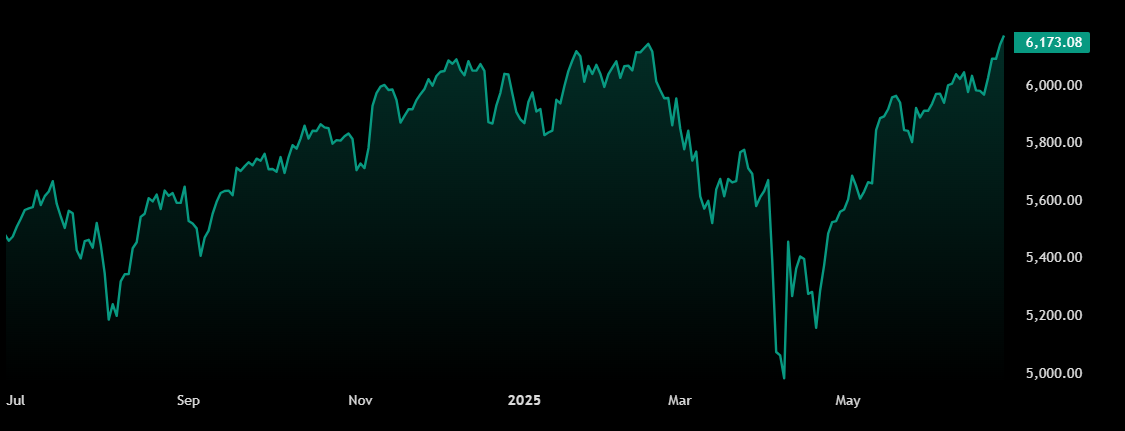 June 26, 2025 at 7:09 pm #26800
In reply to: Forex Forum
June 25, 2025 at 9:28 pm #26754In reply to: Forex Forum
June 23, 2025 at 7:14 pm #26646In reply to: Forex Forum
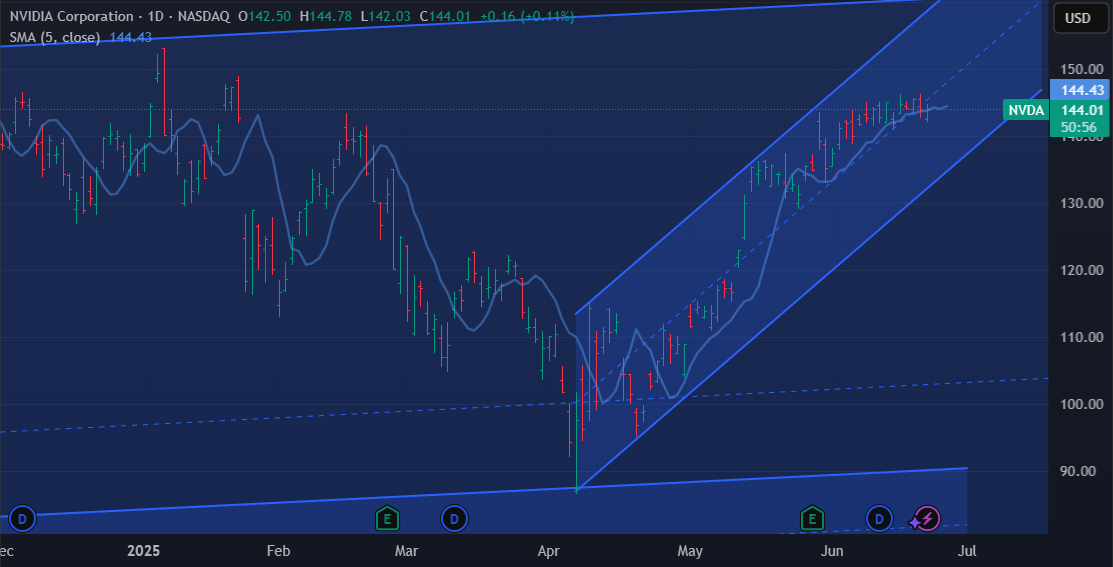
Nvidia Corporation – NVDA
We can look at Nvidia from two opposite angles:
Nvidia is struggling to continue this rally UP
Nvidia is successfully holding onto the gains of this rally UP
Anyway you look at it, it is going up….
Resistances: 146.25, 148.95 & 153.15
Supports: 142.00, 140.85 & 138.85
Overall target stays at 160.00
 June 17, 2025 at 8:09 pm #26408
In reply to: Forex Forum
June 16, 2025 at 7:26 pm #26353In reply to: Forex Forum
June 12, 2025 at 7:21 pm #26207In reply to: Forex Forum
June 11, 2025 at 7:37 pm #26145In reply to: Forex Forum
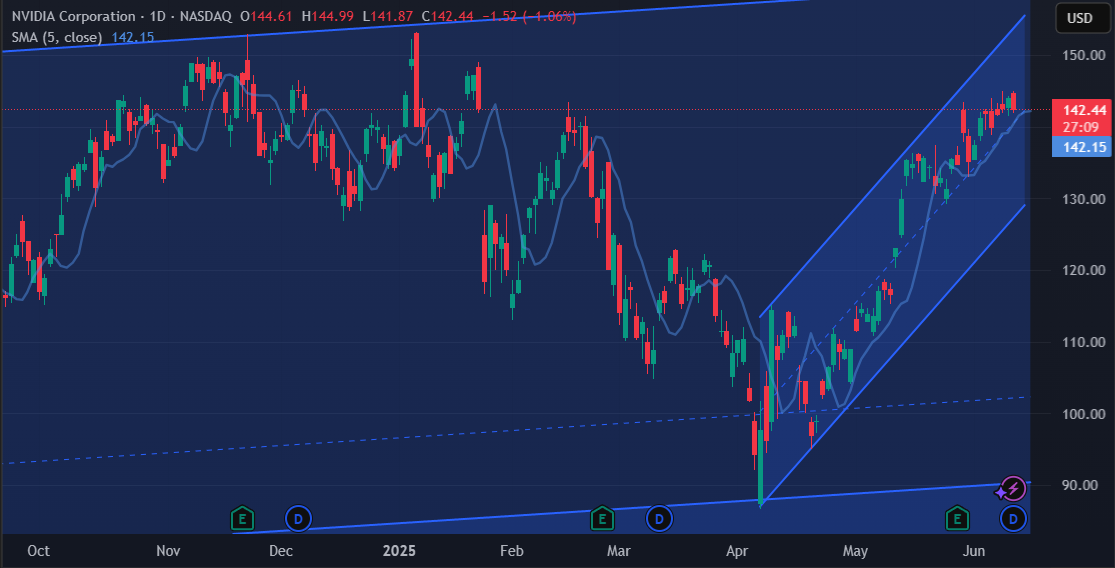
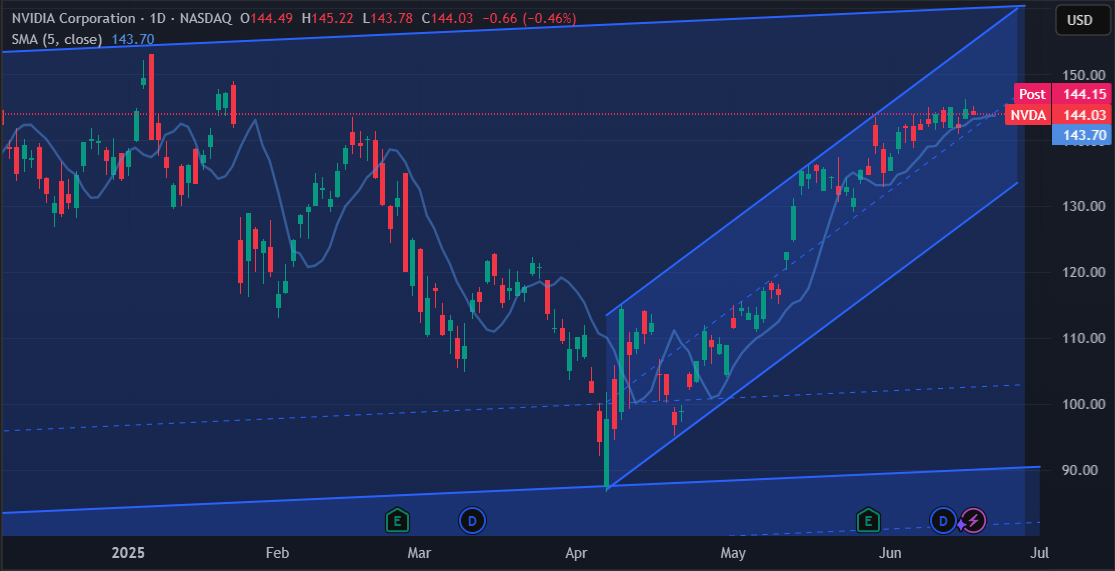
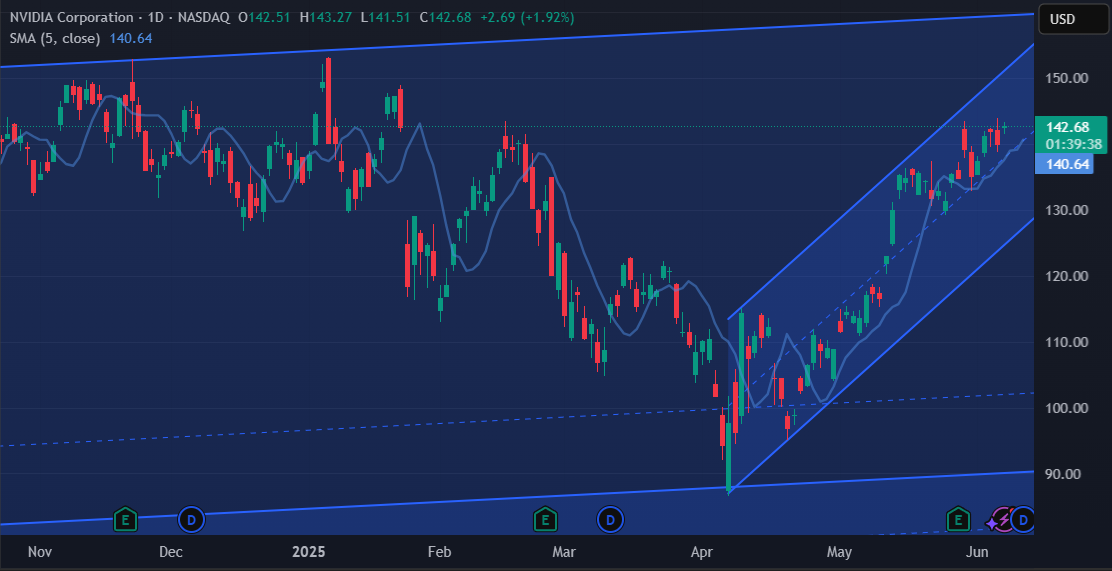
Nvidia Corporation – NVDA
Nvidia stayed short of previous high for just a pip – but that is not a good result…
However, if it stays above 142.00 till close tonight, bullish pattern would be preserved for now.
Another level of support is at 141.20
Only below that one we can talk about correction or possible top.
 June 10, 2025 at 8:30 pm #26086
In reply to: Forex Forum
June 10, 2025 at 10:48 am #26048In reply to: Forex Forum
Comments From Bank of Japan Governor Briefly Trigger Yen Sell-Off, Says Mitsubishi UFG
The yen (JPY) has been one of the more volatile currencies overnight Monday, said MUFG.
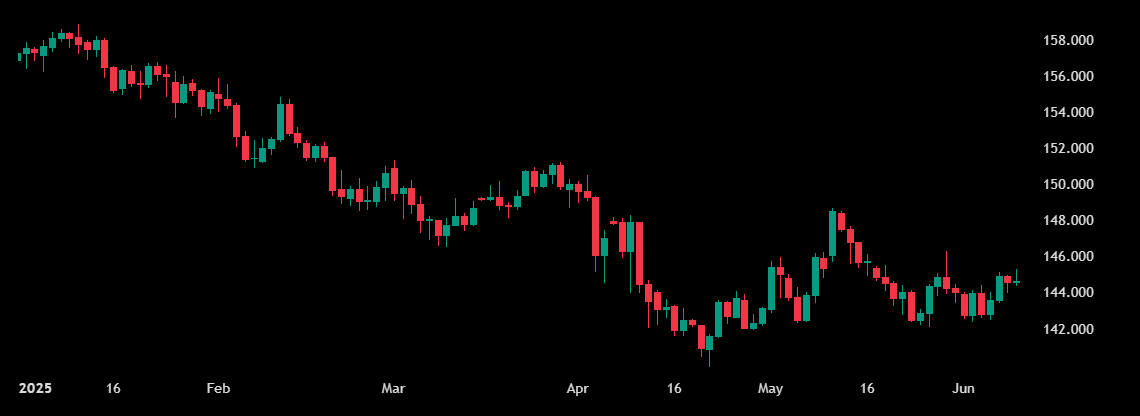
USDJPY briefly rose to an intra-day high of 145.29 before dropping back towards 144.50, wrote the bank in a note to clients. The yen initially weakened on the back of comments from Bank of Japan Governor Kazuo Ueda, who was speaking before parliament.
The yen weakened after Governor Ueda stated that there was still some distance for the price trend to rise to its, target of 2.0% which initially dampened expectations for further BoJ rate hikes, stated MUFG. However, Ueda went on to reiterate that if the price trend becomes more certain, then the BoJ will raise rates further.
The comments indicate that the BoJ remains cautious over raising rates further amidst the “extremely” high uncertainties surrounding the outlook for the economy. The bank isn’t expecting the BoJ to provide a stronger signal over rate hikes at next week’s policy meeting, even though recent inflation data has been stronger.
The BoJ is in no rush to hike rates further and can wait to see how trade talks play out between the United States and Japan ahead of the July 9 deadline for higher “reciprocal” tariffs. Japan’s Economic Revitalization Minister Ryosei Akazawa stated overnight that the trade negotiations with the U.S. are still in a fog.
The comment supports MUFG’s expectations that the main policy change at next week’s BoJ policy meeting will be updated plans for tapering. It has been reported that the BoJ is considering slowing the pace of tapering for the next fiscal year. The BoJ is currently slowing monthly Japanese government bond purchases by 400 billion yen every quarter.
The pace of tapering could slow to between 200 billion-400 billion yen from April next year. Market expectations for slower tapering could already be encouraging yen selling and helping to dampen upward pressure on long-term JGB yields, pointed out the bank.
At the same time, market attention is also focused on trade talks between the U.S. and China taking place in London at the start of this week. The trade talks will continue into a second day, according to a U.S. official. President Donald Trump told reporters at the White House on Monday that “we are doing well with China. China’s not easy and that “I’m only getting good reports.”
The comments have encouraged building investor optimism that a trade deal/agreement can be reached in the coming months to avoid the higher “reciprocal” tariffs being re-imposed on trade between the U.S. and China, added the bank.
According to a Bloomberg report, the U.S. has signalled a willingness to remove restrictions on some tech exports in exchange for assurances that China is easing limits on rare earth shipments. Head of the White House’s National Economic Council Kevin Hassett did add, though, that they would stop short of removing restrictions on the most sophisticated H20 chips made by Nvidia.
 June 9, 2025 at 8:20 pm #26031
In reply to: Forex Forum
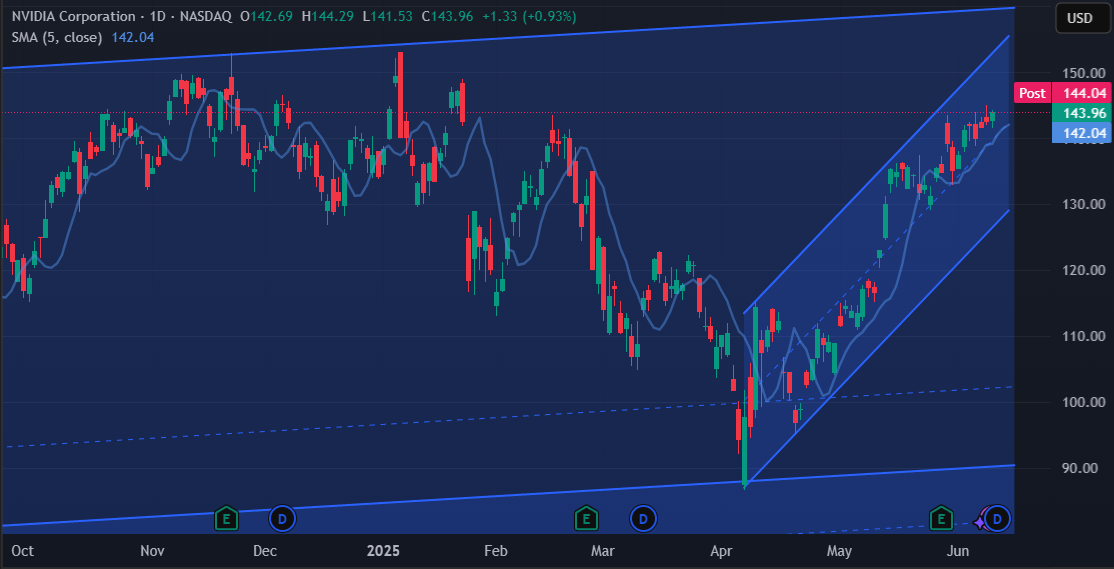
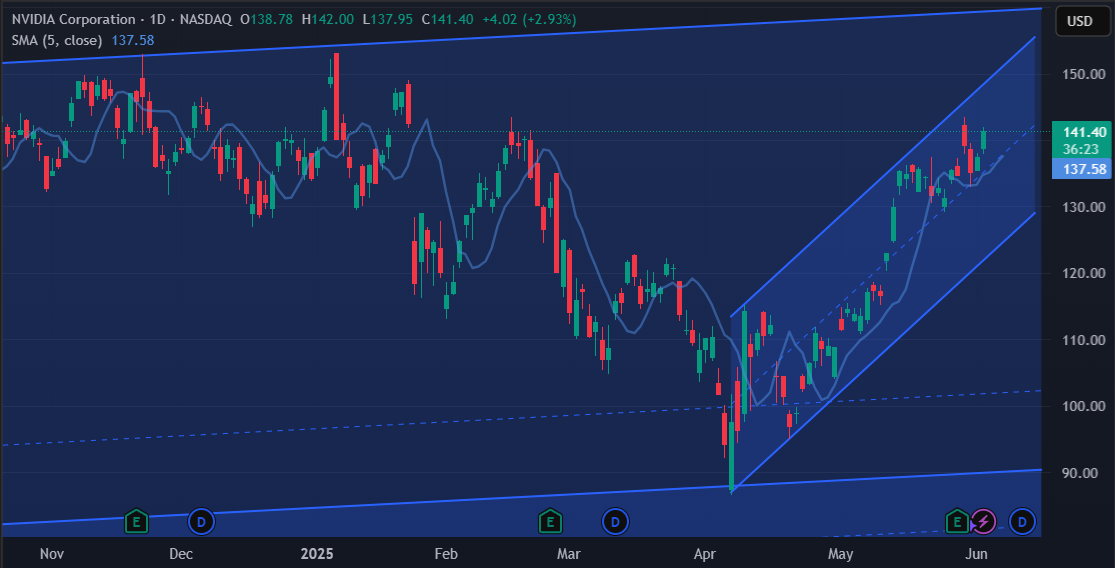
Nvidia – NVDA
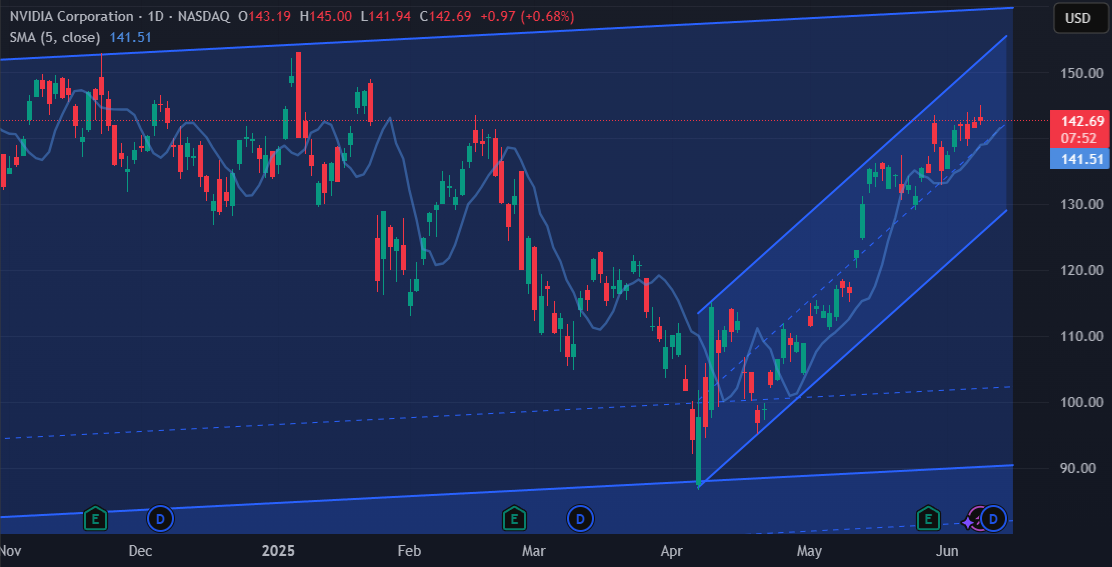
Nvidia didn’t do anything spectacular today, but it did reach the new high in this current rally.
Last three days it is repeating the pattern – hits high and closes back below the open of that day.
That’s kind of the new strategy J
So for tomorrow support is at 142.00, resistance 145.00
As long as it continues to drive to the new high every day / every second day, it will continue Up.
 June 7, 2025 at 3:05 pm #25970
In reply to: Forex Forum
US Equity Indexes Rise in Week on Labor Market Resilience, Tech Gains, China Trade Talks
US equity indexes rose this week after a broad Friday rally on data signalling labor market resilience, along with gains by tech giants and easing US-China trade jitters.
* The S&P 500 rose to 6,000.36 on Friday from 5,911.69 a week earlier. The Nasdaq Composite climbed to 19,529.95 from 19,113.77, and the Dow Jones Industrial Average advanced to 42,762.87 from 42,270.07.
* Communication services and technology led sectors this week, while consumer staples posted the biggest drop. Meta Platforms META, Nvidia NVDA, and Amazon.com AMZN were among the top 10 gainers in a group of companies with a market capitalization of more than $200 billion.
* Nonfarm payrolls rose by 139,000 in May, the Bureau of Labor Statistics reported. The consensus was for a 126,000 increase, according to a Bloomberg survey. Gains for April were revised down by 30,000 to 147,000 and slashed by 65,000 for March.
* “Nonfarm payrolls remained resilient last month despite heightened trade policy uncertainty,” TD Economics senior economist Thomas Feltmate said in a note, referring to negotiations globally after Trump announced wide-ranging punitive import duties. While the downward revisions took “some of the shine off the headline payrolls print, it’s fair to say that the labor market is holding up better than expected,” he said.
* Investors awaited the Trump-Xi call amid concern trade talks had stalled. “I just concluded a very good phone call with President Xi, of China, discussing some of the intricacies of our recently made, and agreed to, Trade Deal,” Trump said Thursday. “The call lasted approximately one and a half hours, and resulted in a very positive conclusion for both Countries.”
* Top officials from the US will meet with a Chinese delegation in London on Monday to continue trade negotiations, Trump reportedly said Friday.
SP500 Chart
 June 6, 2025 at 6:23 pm #25954
In reply to: Forex Forum
June 5, 2025 at 6:40 pm #25905In reply to: Forex Forum
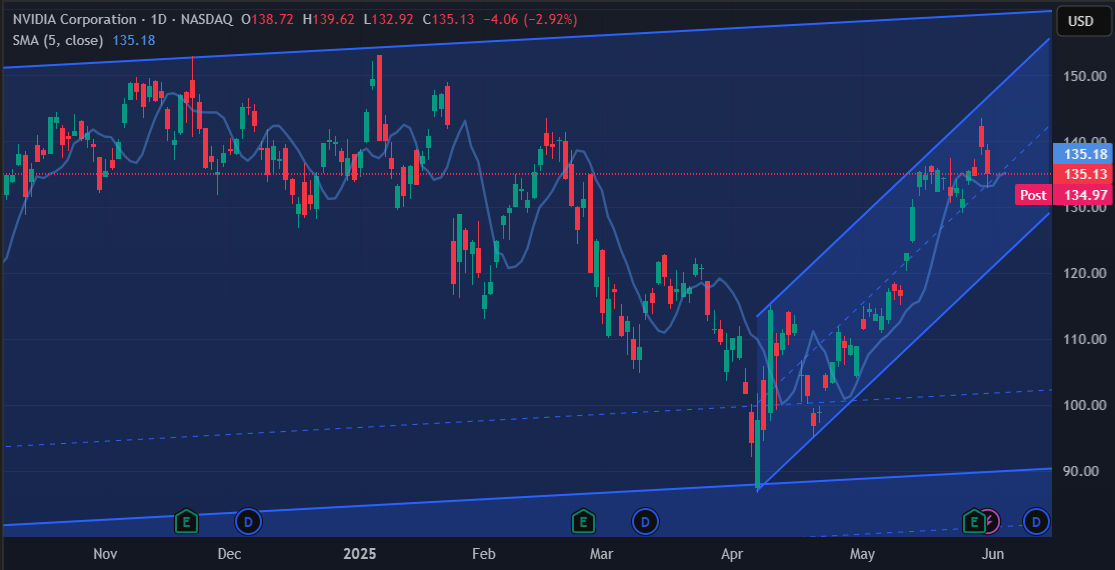
Nvidia – NVDA
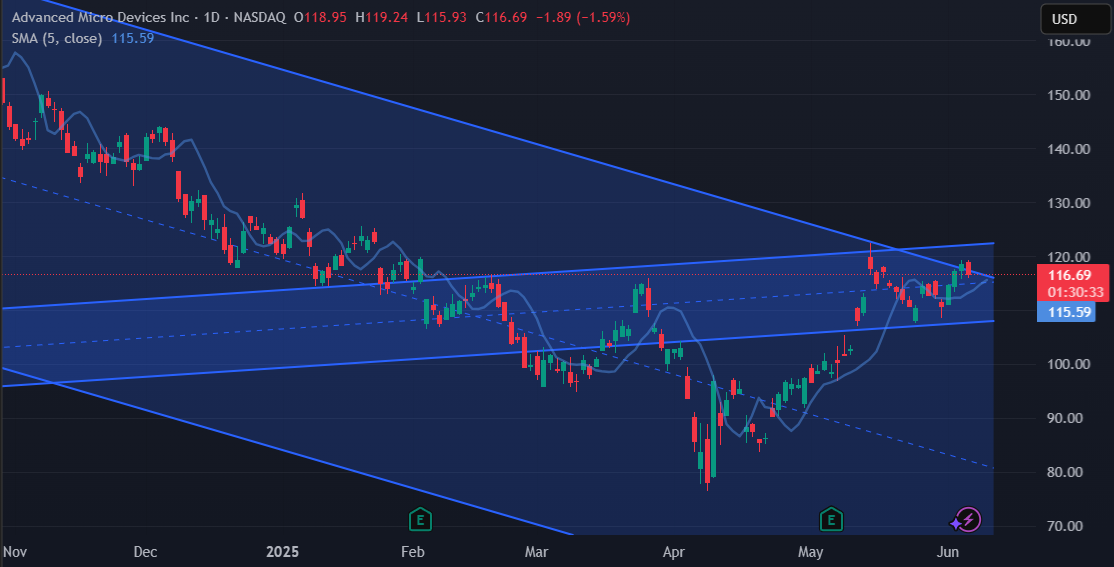
Nvidia made a new high today, but right now it needs to move a bit higher and close above 142.20 to be able to continue with this Up move.
Resistance is at 144.00 & 147.25
Supports: 139.75, 138.15 & 137.50
If it does manage to reach a new high tomorrow, it will avoid a possible correction that looms over it right now.
 June 3, 2025 at 7:25 pm #25785
In reply to: Forex Forum
June 2, 2025 at 6:53 pm #25730In reply to: Forex Forum
May 30, 2025 at 8:50 pm #25644In reply to: Forex Forum
May 29, 2025 at 6:18 pm #25565In reply to: Forex Forum
US Equity Indexes Mixed as Trade Court Ruling on Trump’s Tariffs Takes Shine Out of Nvidia’s Q1 Results
US equity indexes traded mixed after midday Thursday as Nvidia’s NVDA fiscal Q1 results overnight boosted technology and as investors evaluated the net outcome of a trade court ruling, casting doubt over the legal basis of the Trump administration’s tariff negotiations.
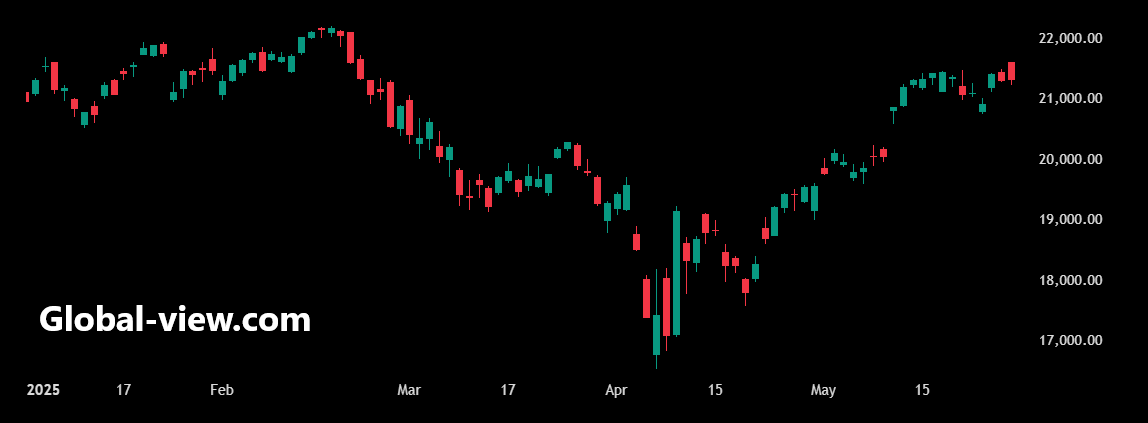
The Nasdaq Composite rose 0.5% to 19,192.1, and the S&P 500 climbed 0.3% to 5,908.2. The Dow Jones Industrial Average was little changed at 42,109.8. All sectors except communication services rose intraday. Technology, home to Nvidia NVDA, and utilities led the gainers.
Nvidia shares jumped 4% intraday, among the top gainers on the Nasdaq, the Dow, and the S&P 500, after the chipmaker overnight reported higher fiscal Q1 non-GAAP earnings and sales. BofA Securities raised its price target on Nvidia to $180 from $160. Morgan Stanley said Nvidia is “outgrowing” expectations and competition even in the middle of supply constraints.
Analysts expect that a US federal court ruling challenging a series of tariffs imposed by President Donald Trump will weaken Washington’s position in trade talks. But, they also said the administration has other tools to push through the tariffs agenda.
Most US Treasury yields fell, with the 10-year down 6.1 basis points to 4.42% and the two-year traded 5.5 basis points lower at 3.94%.
In economic news, pending home sales fell more than projected in April as elevated mortgage rates dampened buyer enthusiasm, the National Association of Realtors said. The forward-looking indicator of home sales based on contract signings slid by 6.3% month-over-month, compared with a 1% decline that analysts had modelled in a Bloomberg survey. On an annual basis, pending transactions dropped 2.5%.
Meanwhile, the deceleration in US economic growth, measured by gross domestic product, was revised to 0.2% in Q1 from the 0.3% advance estimate of the slowdown, beating expectations for no revision in a Bloomberg-compiled survey. GDP grew 2.4% in Q4.
Nasdaq chart
 May 29, 2025 at 1:44 pm #25542
In reply to: Forex Forum
May 29, 2025 at 9:52 am #25517In reply to: Forex Forum
IXIC: Nasdaq Futures Surge After US Trade Court Blocks Trump’s Tariffs. White House Vows to Fight
Key points:
· Nvidia +6.45%
· Nasdaq futures pop 2%
· Markets praise court block
· Not going down without a fight
Trump took it too far with his game of tariffs, the US Trade Court ruled. The administration said it’s going to appeal. Clash incoming?
Checkmate… White House
· It’s not every day the courts checkmate the White House — but that’s exactly what happened Wednesday, and the markets responded appropriately — by throwing a party.
· Futures on the Nasdaq Composite IC ripped higher by 2% in premarket trading after a US court struck down nearly all of Trump’s sweeping global tariffs, calling them illegal and calling out Trump for overstepping his authority.
· Futures on the S&P 500 and the Dow Jones also rallied — the broad-based peer added 1.6% and the exclusive 30-member club gained more than 500 points, or 1.3%.
🧐 Making Sense of It All
· The US Court of International Trade ruled that Trump exceeded his authority under the 1977 International Emergency Economic Powers Act (IEEPA) when he slapped tariffs on just about everyone. The White House immediately filed a notice to appeal the decision.
· The decision, made by a three-judge panel in Manhattan, called out the administration’s overuse of the “economic emergency” label to justify broad levies.
· Is this the turnaround we’ve all been waiting for? Does this mean that Apple AAPL could now breathe freely without fears of business implosion? Shares of the iPhone maker led the charge ahead of the opening bell, up 3.5%.
· But also, Tesla TSLA added more than 2% and Nvidia NVDA rallied 5% on better-than-expected earnings figures despite a potential $10 billion hit to revenue due to a China ban.
· What else is going on? The Federal Reserve released its minutes from the latest meeting three weeks ago. Officials cite in the summary rising inflation concerns that may lead to interest rates that are higher for longer. US GDP data is on deck for today and the Fed’s inflation gauge, PCE, is on tap for tomorrow.
·
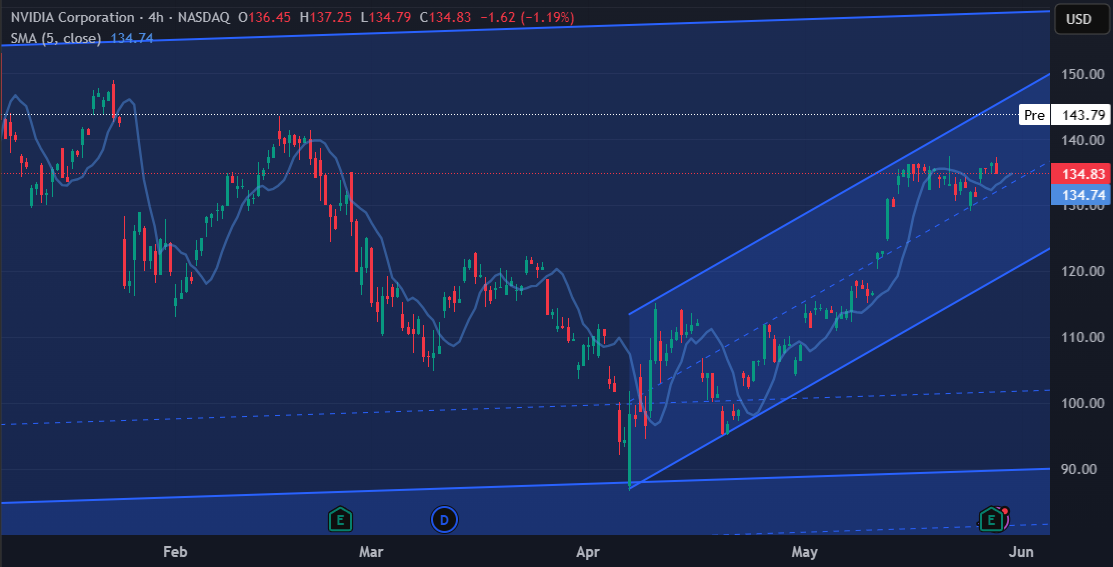
Nvidia 143.50USD
+8.69+6.45%
 May 28, 2025 at 8:37 pm #25501
In reply to: Forex Forum
May 28, 2025 at 8:37 pm #25500In reply to: Forex Forum
May 28, 2025 at 8:22 pm #25498In reply to: Forex Forum
May 28, 2025 at 7:07 pm #25496In reply to: Forex Forum
May 28, 2025 at 8:43 am #25440In reply to: Forex Forum
Global Markets
Overnight review
U.S. stock futures pointed to a slightly weaker open, while markets in Asia and Europe were mixed ahead of Nvidia’s earnings later Wednesday.
Long-dated Treasury yields were on the rise again after a weak auction of Japanese government bonds resurfaced investors’ concerns about government debt.
· Weak demand at Japan’s 40-year government bond auction sparked a renewed jump in ultra-long JGB yields, with some spillover to other markets. “Global yields are giving back some of their gains this morning,” said market strategists at Deutsche Bank Research. The 10- and 30-year U.S. Treasury yields were last up four basis points to 4.474% and 4.981%, respectively, according to LSEG.
Bank of Japan Governor Kazuo Ueda earlier pledged to closely monitor moves in the super-long bond sector. The 30-year Japanese bond yield last traded at 2.905%, up six basis points, while the 40-year yield rose four basis points to 3.348%.
· U.S. stock futures pointed to a slightly weaker open after the S&P 500 rose 2.1%, its biggest jump since May 12, and other major indexes gained in Tuesday’s session. Early in Europe, S&P 500 futures nudged down 0.1% with similar moves in Dow Jones Industrials. Nasdaq futures were flat ahead of Nvidia’s earnings.
· Stocks in Asia ended mixed. Japan’s Nikkei 225 index was flat amid focus on the Bank of Japan’s policy strategy. Hong Kong’s Hang Seng fell 0.5% and China’s benchmark Shanghai Composite held steady. South Korea’s Kospi ended 1.2% higher. In Europe, the Stoxx Europe 600 gained 0.1% in morning trading, France’s CAC 40 increased 0.1% and Germany’s DAX climbed 0.2%. The U.K.’s FTSE 100 added 0.2%.
· The DXY Dollar Index was recently up 0.1% to 99.6650 against a basket of major currencies after a rebound in the Conference Board’s U.S. consumer confidence survey for May. Still, the dollar continues to face downside risks in the near term as concerns over slowing U.S. economic growth and the budget deficit persist, ING analyst Francesco Pesole said in a note.
· Brent crude rose 0.7% to $64.02 a barrel. Gold futures were recently up 0.6% at $3,319.30 a troy ounce, recouping some losses incurred earlier in the week.
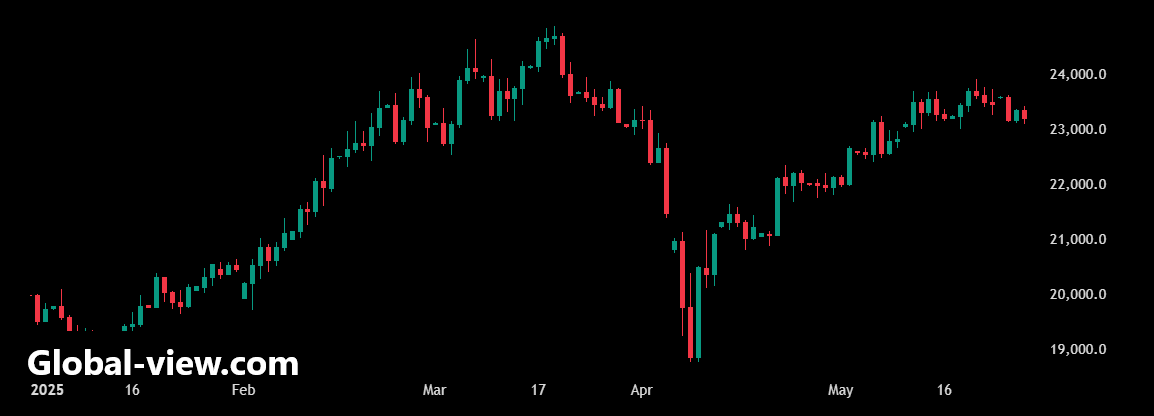
HANGSENG Index
 May 27, 2025 at 8:00 pm #25430
In reply to: Forex Forum
May 27, 2025 at 11:09 am #25400In reply to: Forex Forum
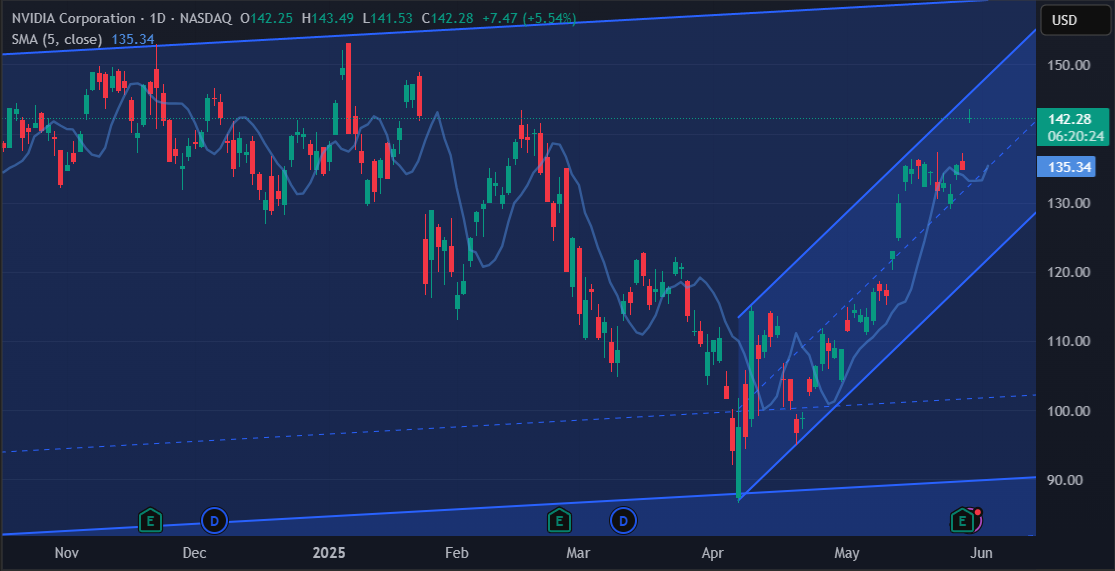
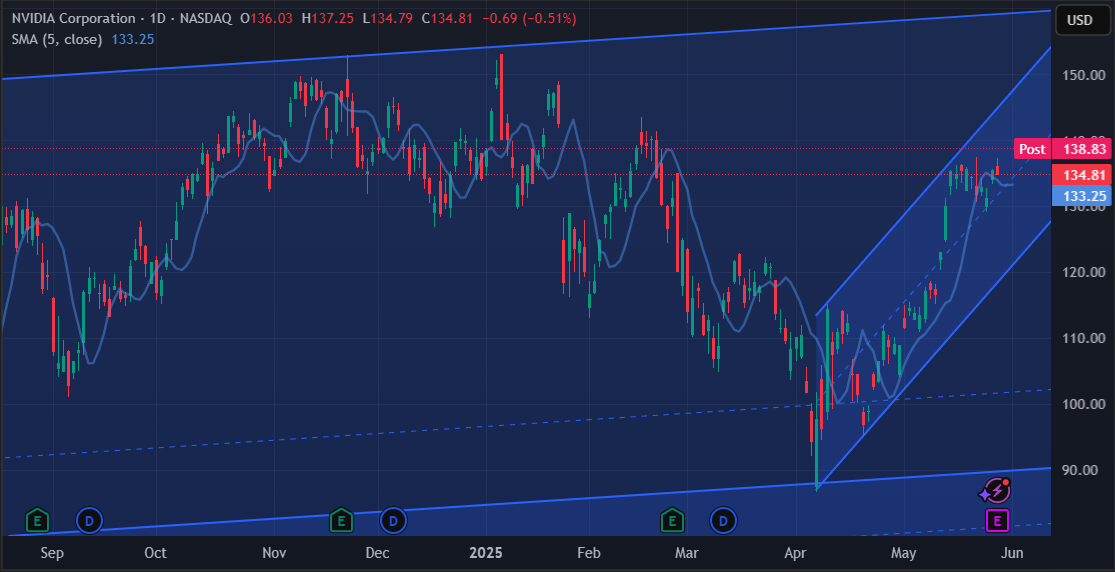
There’s a New Trump Tariff Trade Set to Overshadow Nvidia Earnings, Inflation Data
There’s a new trade emerging on the heels of the ones that became popular when Donald Trump won the presidency last November.
Tuesday’s trade is known as TACO — for Trump Always Chickens Out and comes after Trump backed away from Friday’s threat to ramp up tariffs on imports from the European Union over the long Memorial Day weekend. The STOXX Europe 600 index was extending gains after jumping 1% on Monday. TACO adds a new dimension to the previous Trump trades — bets on a rising dollar, big domestic technology stocks like Tesla, Microsoft, and Apple, and the now-flagging oil giants Exxon and Chevron.
To be fair U.S. markets, which were closed yesterday, started rebounding late Friday on bets that the steep tariffs on the EU wouldn’t hold. Trump’s latest reversal sets up key dates in July for delayed levies on both the EU and the rest of the world to kick in, but investors are busy betting that they won’t be nearly as bad as feared.
That’s probably good news for Nvidia, the chip maker on the front lines of the trade war that reports earnings tomorrow. Nvidia was already getting hit by restrictions on its H20 semiconductor exports to China. The question now is how much of the estimated $15 billion damage to sales will be accounted for in this quarter and how much will be kicked into the future.
The other big event this week is inflation data out Friday. The Federal Reserve’s preferred metric, the core personal consumption expenditures index, is expected to show slower price gains, but the problem is that economists expect tariffs will drive up consumer prices later this year. Traders are scaling back bets on the Fed delivering interest-rate cuts in June and July.
For what it’s worth, Goldman Sachs says that any tariff-driven inflation spike won’t be like the price gains seen after the Covid-19 pandemic. Unlike then, demand in the economy will be weaker and thus the inflation won’t last.
Of course, the TACO trade may have just as short a shelf life as the previous Trump trades. But for now investors should dine out on optimism that tariffs won’t upset the rally.
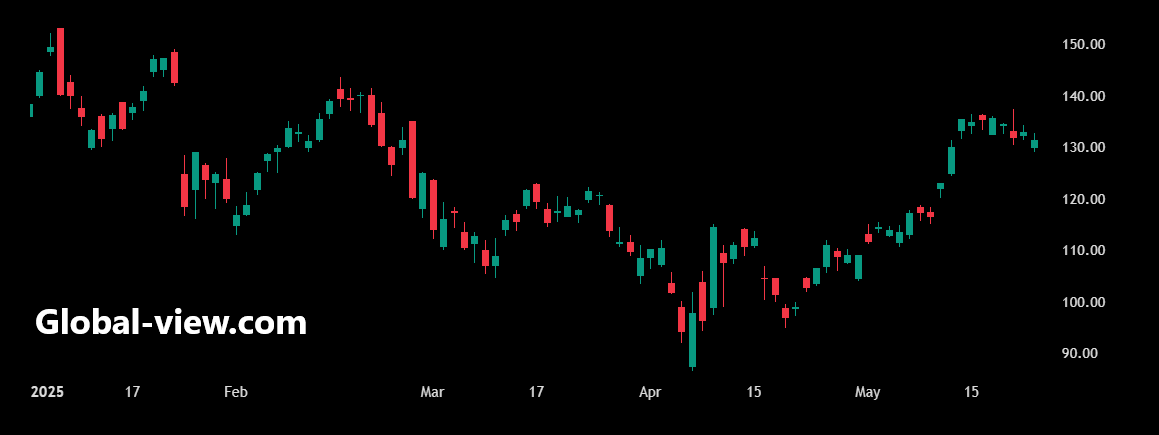
Nvidia chart
 May 24, 2025 at 9:54 pm #25349
In reply to: Forex Forum
In our blog
Newsquawk Week Ahead: 26th-30th May 2025

-
AuthorSearch Results






Search
© 2024 Global View