
- This topic has 27,835 replies, 54 voices, and was last updated 48 minutes ago by GVI Forex 2.
-
AuthorPosts
-
July 31, 2025 at 2:11 pm #28235July 31, 2025 at 2:07 pm #28234July 31, 2025 at 1:58 pm #28233July 31, 2025 at 1:48 pm #28232July 31, 2025 at 1:33 pm #28231July 31, 2025 at 1:22 pm #28230July 31, 2025 at 1:20 pm #28229July 31, 2025 at 1:18 pm #28228July 31, 2025 at 12:48 pm #28227
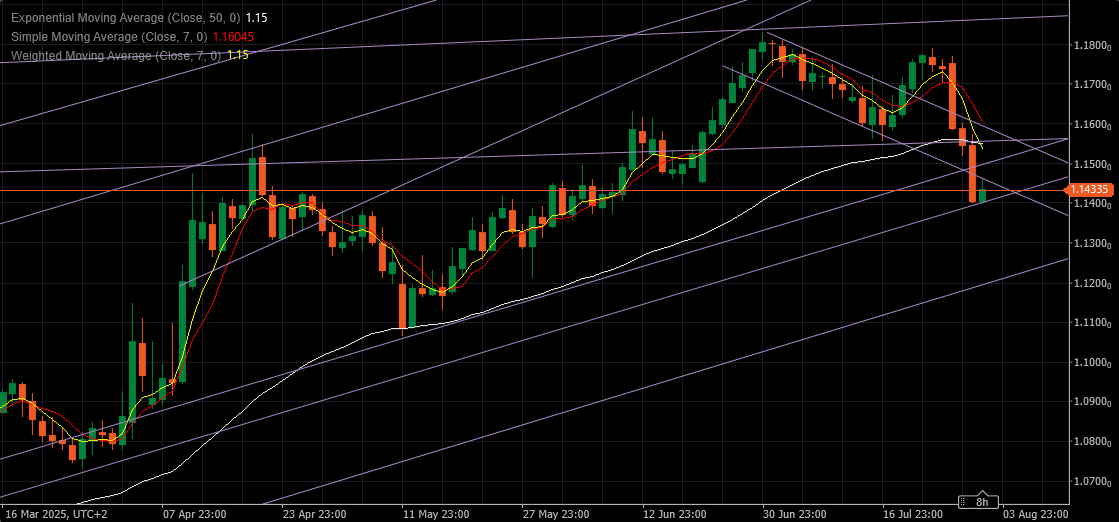
EURUSD Daily
Resistances: 1.14600, 1.15000 & 1.15300
Supports: 1.14000, 1.13350 & 1.12200
We should see some consolidation now – pressure should shift towards Up
Depending on how high it can reach ( only above 1.15300 situation dramatically changes) EUR should continue down, but it has to take some time.
As my colleague Jay would like to point out : we might be in for a next Episode
Just watch Support at 1.14000
 July 31, 2025 at 12:36 pm #28226July 31, 2025 at 12:28 pm #28225
Tks GVI. Looking at your 9:21 suggests ccies are mixed
also what is probbaly emerging are new trade opps from various central bank “risk” as they are been cleared off the table.and with reference to your post about “FIX” —
—– risk appetite this morning is – drumroll – up
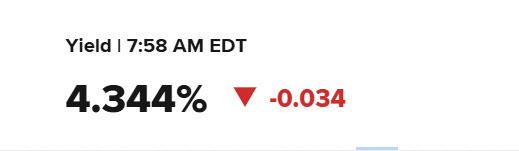
lets see how things work out for my accountJuly 31, 2025 at 12:17 pm #28224July 31, 2025 at 12:05 pm #28223July 31, 2025 at 12:04 pm #28222July 31, 2025 at 12:02 pm #28221July 31, 2025 at 12:00 pm #28220July 31, 2025 at 11:55 am #2821910-yr 4346
DXY 9978post-FOMC players reduced odds of both sep cut and by yr-end cut.
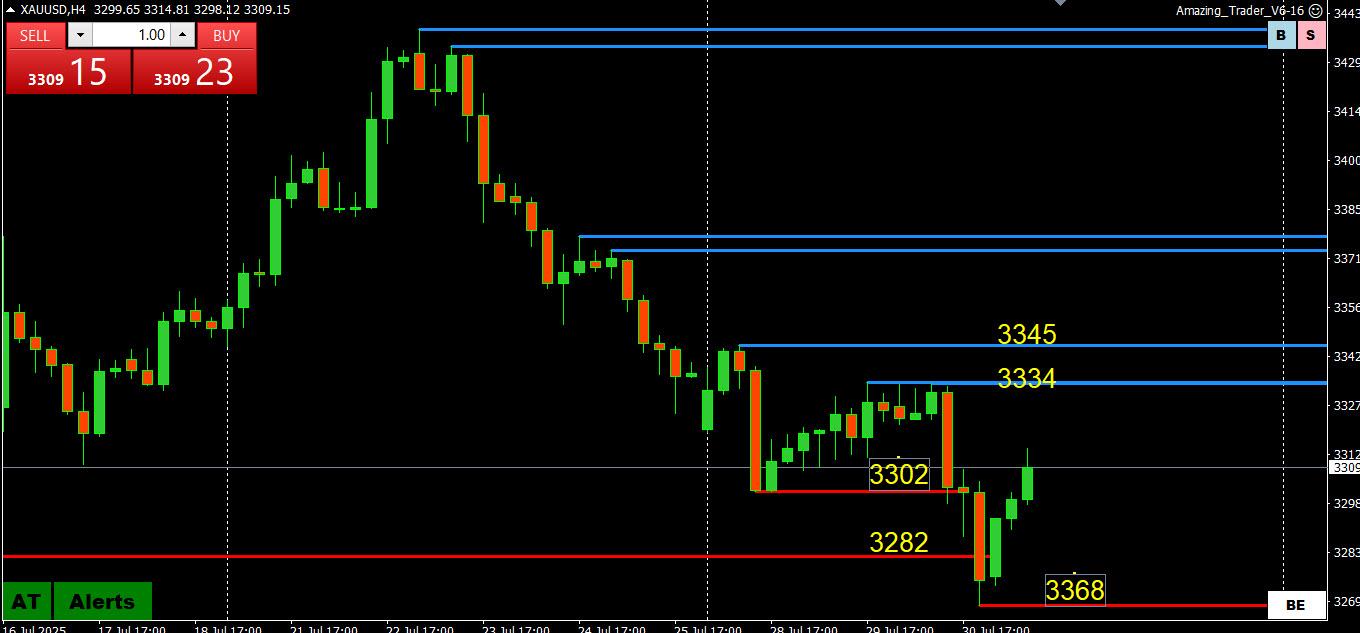
brutal dlr rally (check DXY)Gold around 3200 is likely making some players looking at a buy opp
with FOMC out of the way,
players will have a new trading opp this morning:
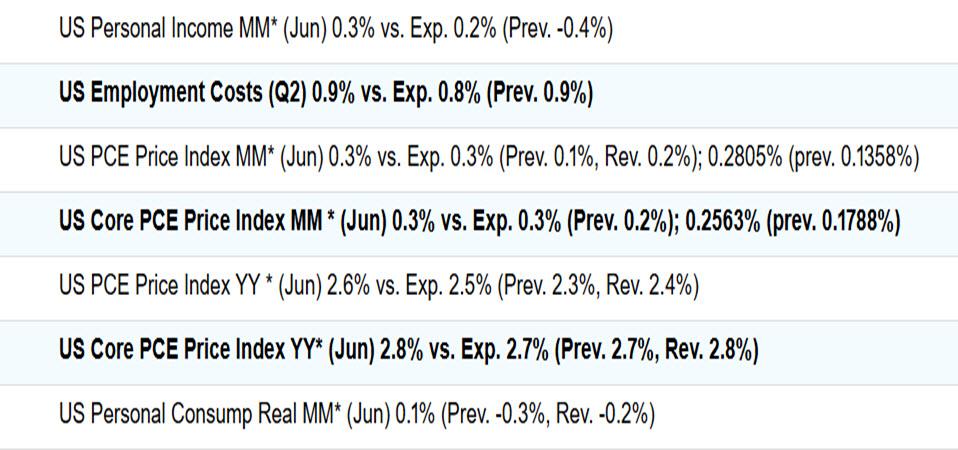
8:30 PCE inflation and also jobless claimsthat ahead of tom’s NFP
July 31, 2025 at 11:53 am #28218July 31, 2025 at 11:51 am #28217July 31, 2025 at 11:44 am #28216Is Trump edging closer to his line from the Apprentice, “You’re fired”?
 July 31, 2025 at 11:38 am #28215
Flavor of the day
EURJPY
I like to call it the flavor of the day = the cross currency flow driving the spot market.
‘In this case it has been EURJPY (and EURGBP as well), helping to push USDJPY above 150 (briefly so far) while giving some support to the EURUSD.
To build momentum for a run at 172+_ resistance, 171.55 (briefly broken would need to become support.
Straight line up has left no obvious support so look at shorter-time frames for intra-day levels.
EURJPY 4 HOUR CHART
 July 31, 2025 at 10:52 am #28214
4PM London Fixing
The 4 PM London Fix, also known as the WM/Reuters 4 PM Fix, is a widely used benchmark for foreign exchange rates. Here’s what you need to know about it—especially relevant at month-end, like today (July 31, 2025):
What It Is:
• Time: 4:00 PM London time (11:00 AM New York).
• Window: A 5-minute window from 15:59:30 to 16:00:30 London time.
• Purpose: Establishes a standard FX rate used globally for pricing, valuations, and performance measurement.Why Month-End Matters:
At month-end, the 4 PM Fix becomes extremely important due to portfolio rebalancing:
1. Asset Managers & Index Funds adjust currency exposures based on relative performance of global equity/bond markets.
2. Large FX volume is transacted during the 4 PM Fix window.
3. Volatility spikes: Many hedge funds and banks try to front-run flows, increasing price swings.Common Month-End Patterns:
• If U.S. equities outperform foreign markets: USD selling pressure at the Fix.
• If foreign equities outperform: USD buying pressure.(Source: Internet)
 July 31, 2025 at 9:54 am #28213July 31, 2025 at 9:46 am #28212
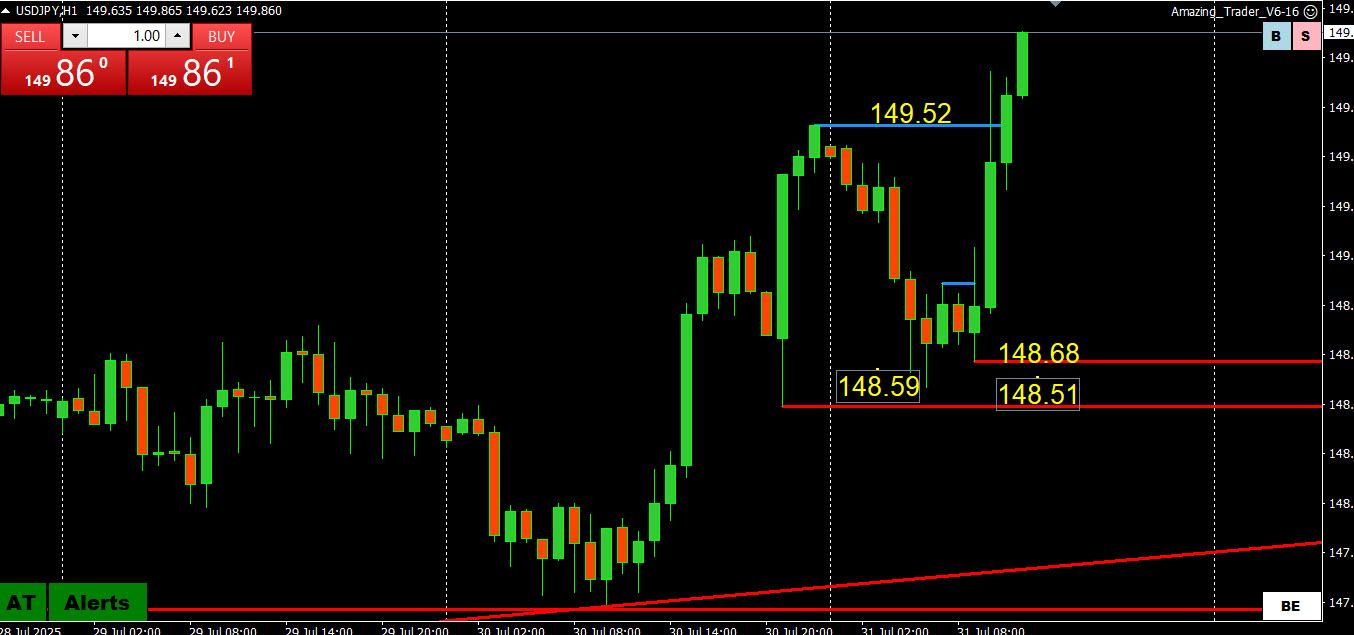
USDJPY
Failure to hold the dip on the BoJ rate decision has seen USDJPY reverse course to climb within spitting distance of the potentially tough but inviting 150 level.
The straight move up has left little in terms of obvious support so use 149.20-50 as the initial zone, 150 at risk while above the upper end.
Resistance targets above 150: 150.49, 151.29
USDJPY 1 HOUR CHART
 July 31, 2025 at 9:34 am #28211July 31, 2025 at 9:21 am #28210
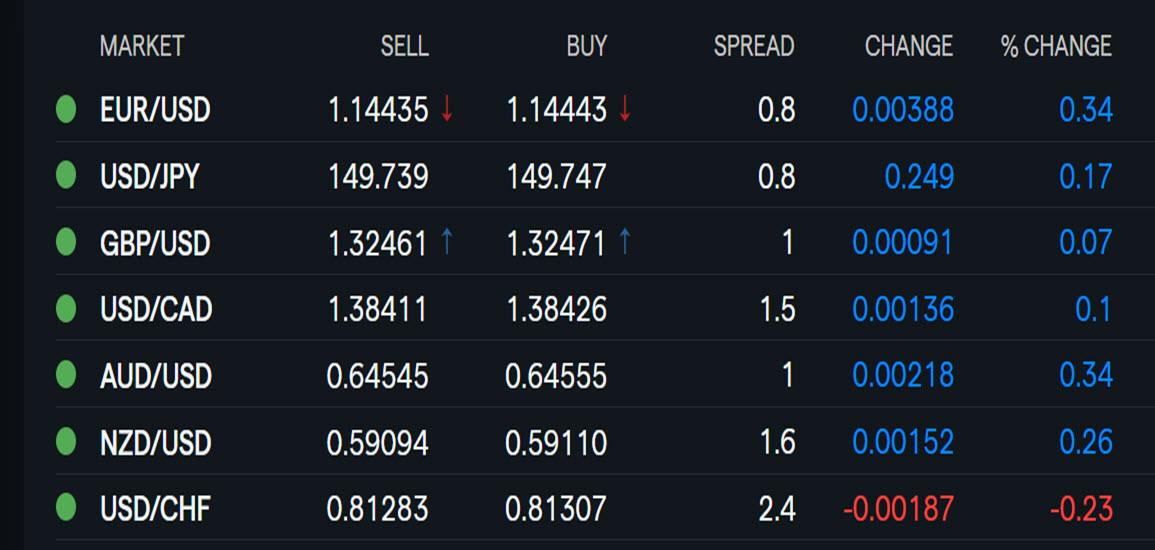
Using my platform as a Heatmap shows..,
.. the dollar trading mixed as it consolidates in month end trading
EURUSD has bounced after pausing above 1.14 but remains below 1.15 and well down on the week… set to have the first lower monthly close in 6 months
USDJPY is an exception as it firms to trade within sight of 150 after more than reversing a dip on the BoJ rate decision
USDCAD is holding its bid above 1.38 as President Trump threatens Canada for backing a Palestinian state
Gold has rebounded beck above 3300 after selling off yesterday.
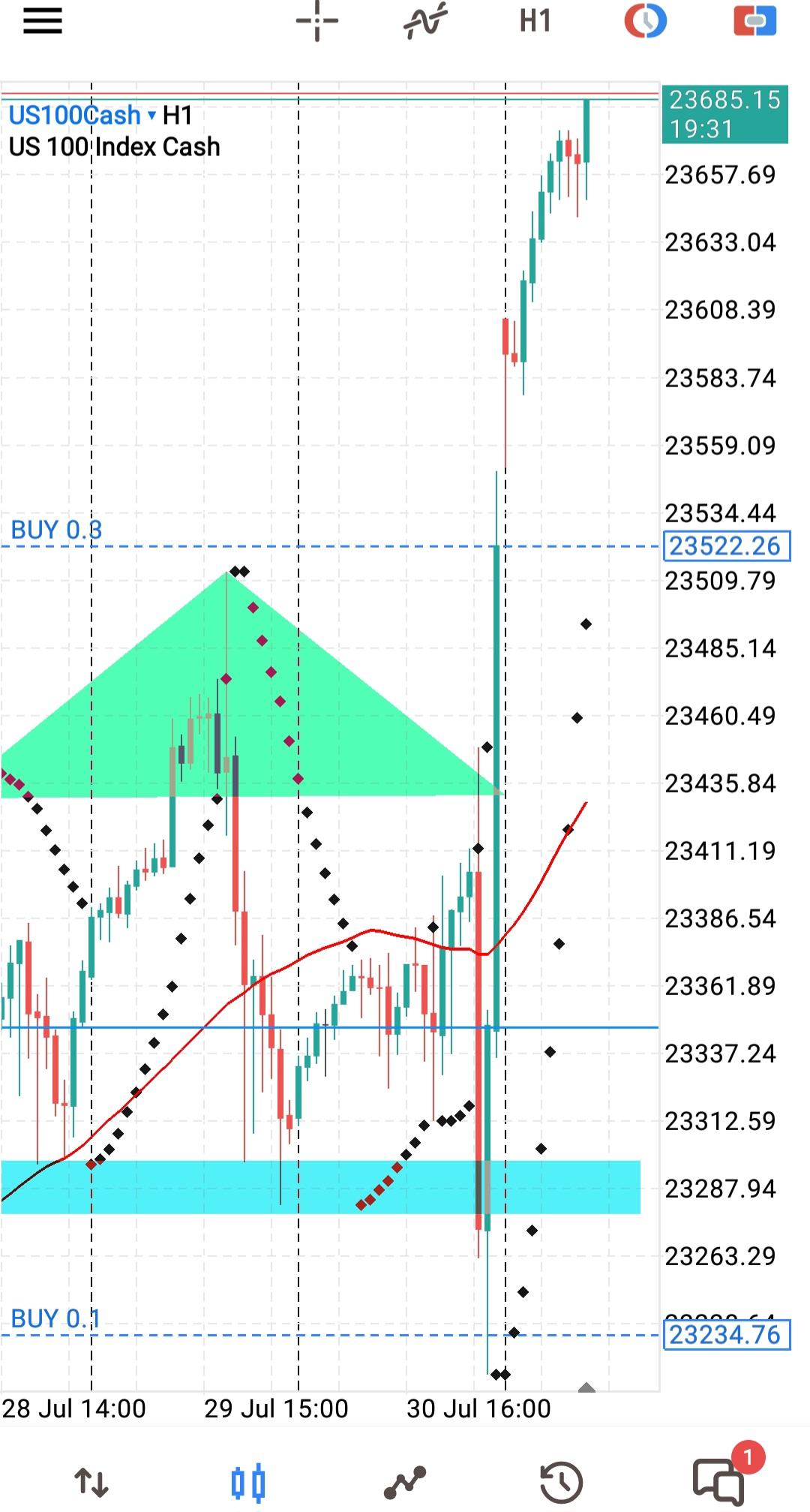
US stocks are up with US500 and NAS100 building on yesterday’s late day rally to trade at new intraday record highs.
US bond yields are a touch lower
US PCE (Jun), Weekly Claims, Canadian GDP (May) , Chicago PMI, month end, August 1 tariff deadkine
 July 31, 2025 at 7:43 am #28209July 30, 2025 at 11:32 pm #28208July 30, 2025 at 10:59 pm #28207July 30, 2025 at 10:29 pm #28206
Bank of Japan rate decision
BOJ ANNOUNCEMENT (THU): The Bank of Japan will hold a two-day policy on July 30th-31st, where the central bank is expected to maintain its short-term interest rate at 0.50%. A recent Reuters poll showed 60 out of 72 economists surveyed forecast the BoJ to refrain from any rate adjustments for the next two meetings through to September, while money market rates are pricing a 99% likelihood the central bank keeps rates unchanged. The BoJ will also release its latest Outlook Report containing board members’ median forecasts for Real GDP and Core CPI. The Bank of Japan have refrained from any rate adjustments since it last hiked rates in January, although it announced at the prior meeting in June it is to reduce the amount of monthly JGB purchases by about JPY 200bln each quarter from April 2026 onward. It noted this decision was made to improve the functioning of the JGB markets in a manner that supports stability in the markets. Furthermore, Governor Ueda stated following the meeting that they will continue to hike rates if the economy and prices improve, with the central bank to be guided from the viewpoint of sustainably and stably meeting the price target. He also stated that a further hike is dependent on the likelihood of attaining the BoJ’s outlook, and the timing of such a move is dependent on the certainty of the outlook, but added it is not appropriate to comment on near-term hike possibilities, and a rate hike decision would need to be based on lots of data and considerations. Since then, there have been recent major developments concerning Japan, which policymakers would need to consider when deciding on rates: 1) The upper house election, where the ruling coalition suffered a scathing loss and failed to achieve a majority. This raises political uncertainty and pressure for the government to listen to opposition partiesʼ calls for fiscal loosening, although PM Ishiba is seemingly looking to remain in position and denies reports of a possible resignation. 2) Trade developments have provided optimism after the US and Japan reached a trade deal involving a 15% tariff on Japanese exports to the US, which is lower than the previous threat of a 25% tariff rate. Nonetheless, these developments are unlikely to spur any immediate policy reaction from the central bank and a source report via Bloomberg noted the BoJ sees little impact from the election on the rate stance but sees upward price risks if there is large fiscal loosening and was watching for trade talk impact before any hikes. Further sources (via Bloomberg) on Friday suggested

-
AuthorPosts






- You must be logged in to reply to this topic.
Search
© 2024 Global View