
- This topic has 27,652 replies, 54 voices, and was last updated 3 hours, 25 minutes ago by Mtl JP.
-
AuthorPosts
-
September 24, 2025 at 2:10 pm #31140September 24, 2025 at 2:08 pm #31139September 24, 2025 at 2:03 pm #31138September 24, 2025 at 1:45 pm #31137September 24, 2025 at 1:31 pm #31136September 24, 2025 at 1:15 pm #31135September 24, 2025 at 12:51 pm #31134September 24, 2025 at 11:59 am #31133September 24, 2025 at 10:49 am #31132September 24, 2025 at 10:47 am #31131September 24, 2025 at 10:44 am #31130
… Miran …
time to keep an eye on to mortgages important rates
5-YR 3.675
10-YR 4.114As of Tuesday, September 23, 2025, the national average interest rate for a 30-year fixed-rate mortgage is 6.39% APR, according to NerdWallet.
Bankrate reports a slightly different average of 6.45% APR for the same loan type, based on a survey of the nation’s largest mortgage lenders.September 24, 2025 at 10:10 am #31129September 24, 2025 at 9:57 am #31128After voting for a supersize rate cut last week, Stephen Miran has now provided the intellectual cover for President Trump’s calls for drastically lower interest rates. If Miran is right, everyone else is wrong—not just the Federal Reserve, but investors and independent economists too….
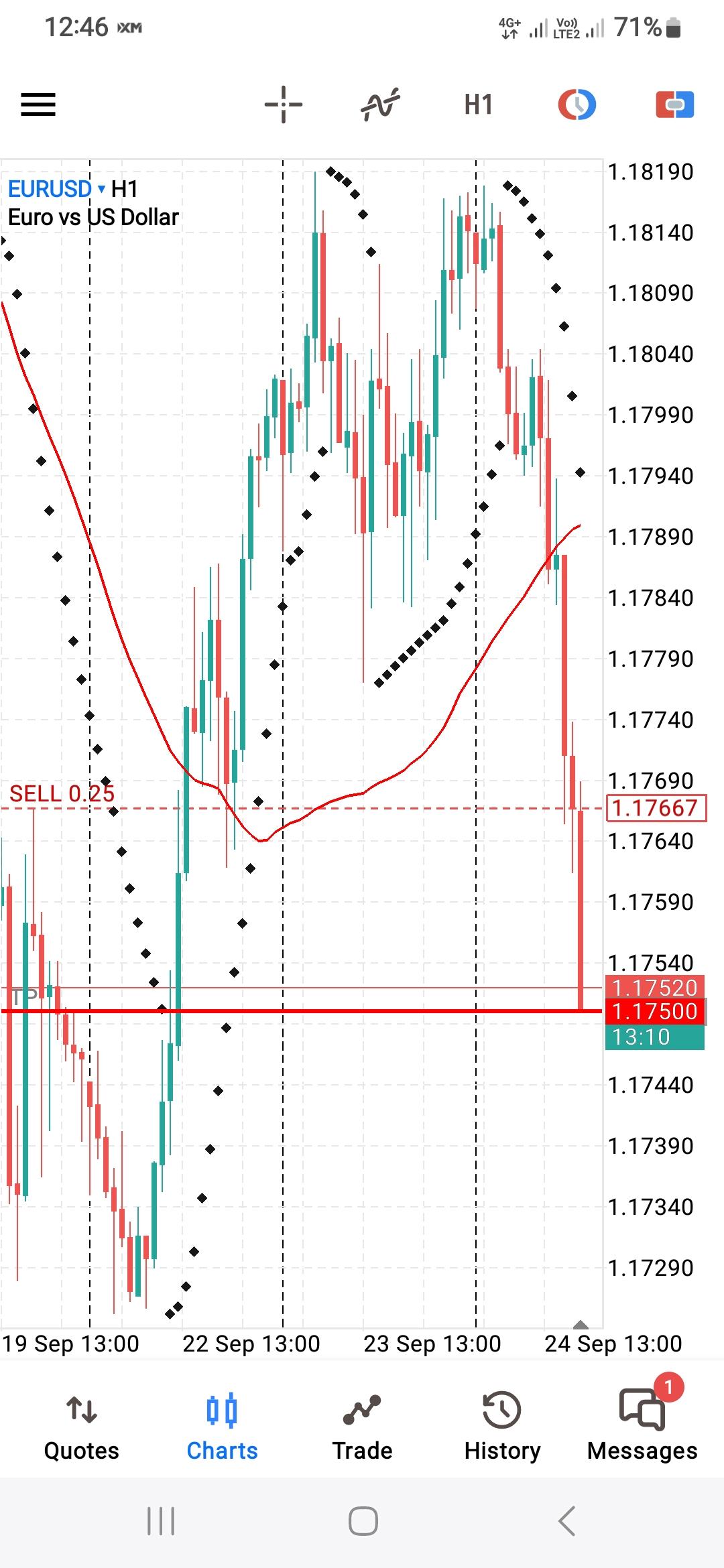
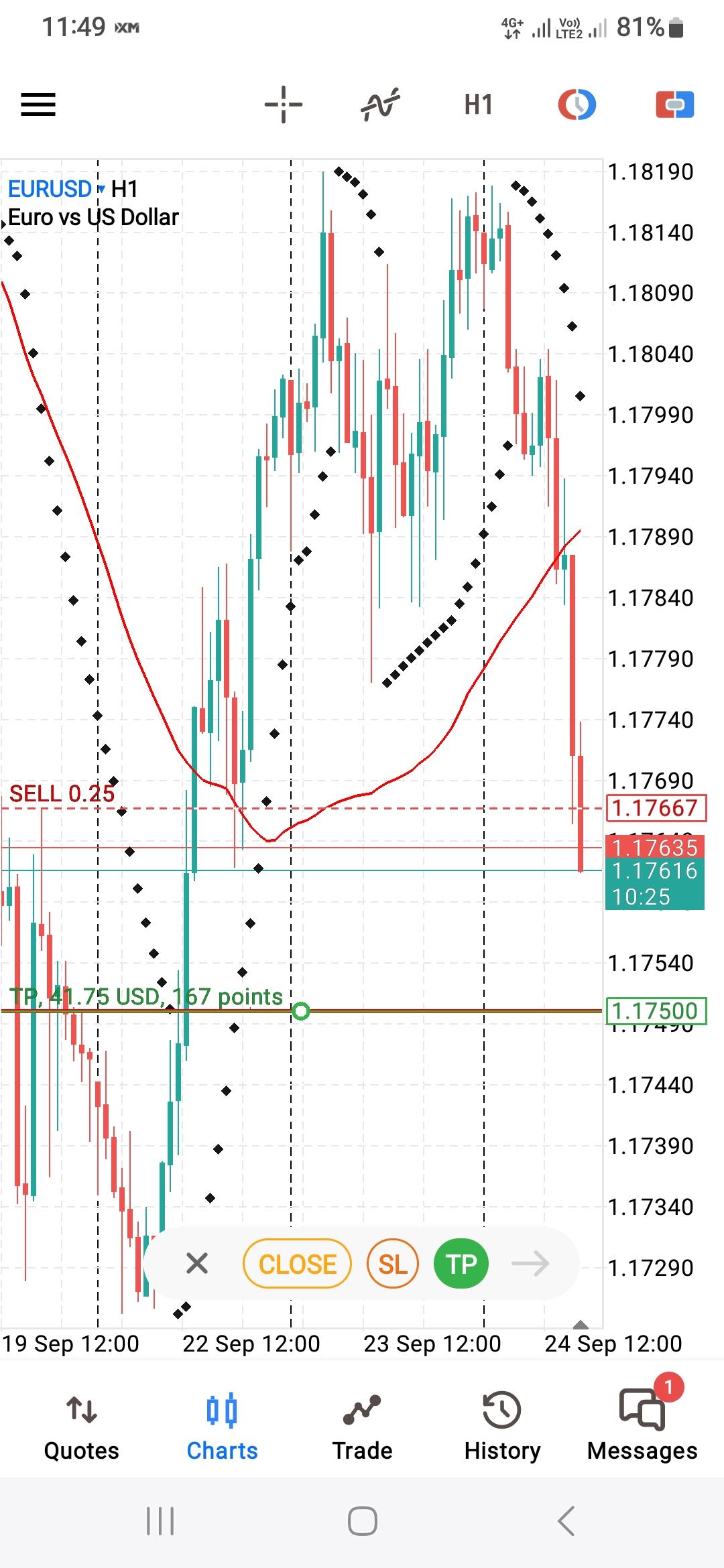
September 24, 2025 at 9:53 am #31127September 24, 2025 at 9:43 am #31126September 24, 2025 at 9:19 am #31125EURUSD back on the defensive
Weaker German IFO may have been a trigger for EURUSD selling after running into sellers and not stops at 1.1820.
Now dependent on 1.1762 holding to check the downside or 1.1750 and the 1.1726 low come on the radar.
In any case, 1.18 remains pivotal, upside limited unless regained.
EURUSD 1 HOUR CHART
 September 24, 2025 at 9:11 am #31124
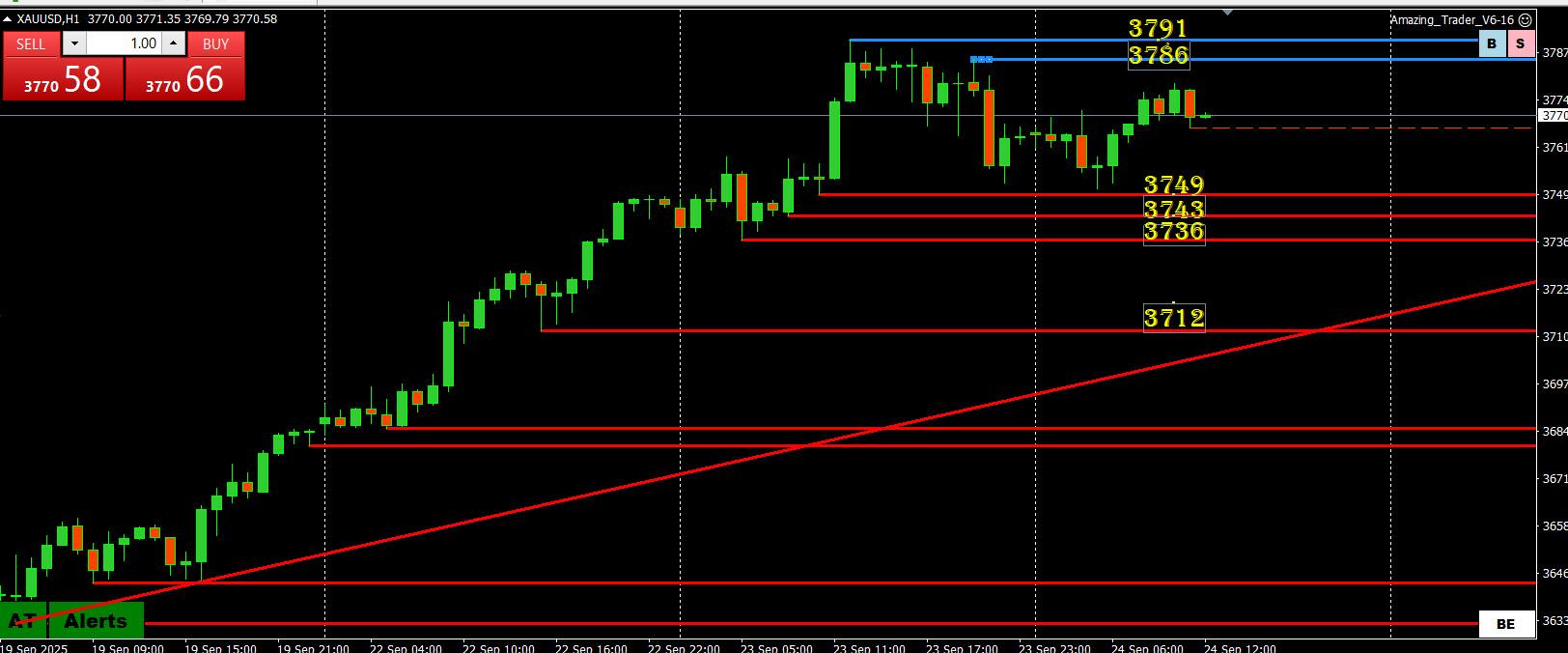
Is it time for GOLD to take a pause?
As I have been saying, when in unchartered waters. big figures (round numbers) such as 3600, 3700,3800 increase in importance in the absence of any key resistance other than the new record high (3791).
BUT not all big figures should be treated the same. In this regard, 2500 and 3800 (not 3600 or 3700) are key pivotal big figures that can have an added influence on trading..
So keep an eye on 3800 as a failure to firmly take it out would force a pause while a break would raise talk of 4000.
Supports: 3735-50 block a return to 3700 (3750 = Power of 50 level).
Resistance: 3786-91 guard 3800
XAUUSD 1 HOUR CHART
 September 24, 2025 at 8:58 am #31123
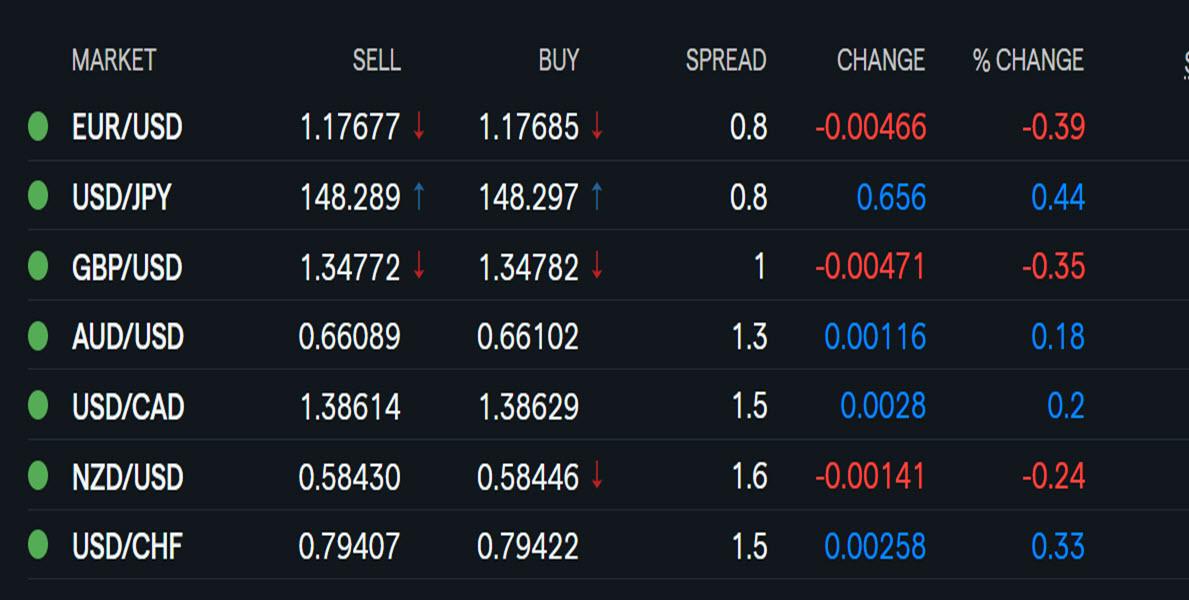
Using my platform as a Heatmap shows…
… the dollar trading firmer after not following through on a softer close. This comes in a market struggling to come up with a common theme to drive trading after a period where expectations over Fed rate cuts was a hyper focus.
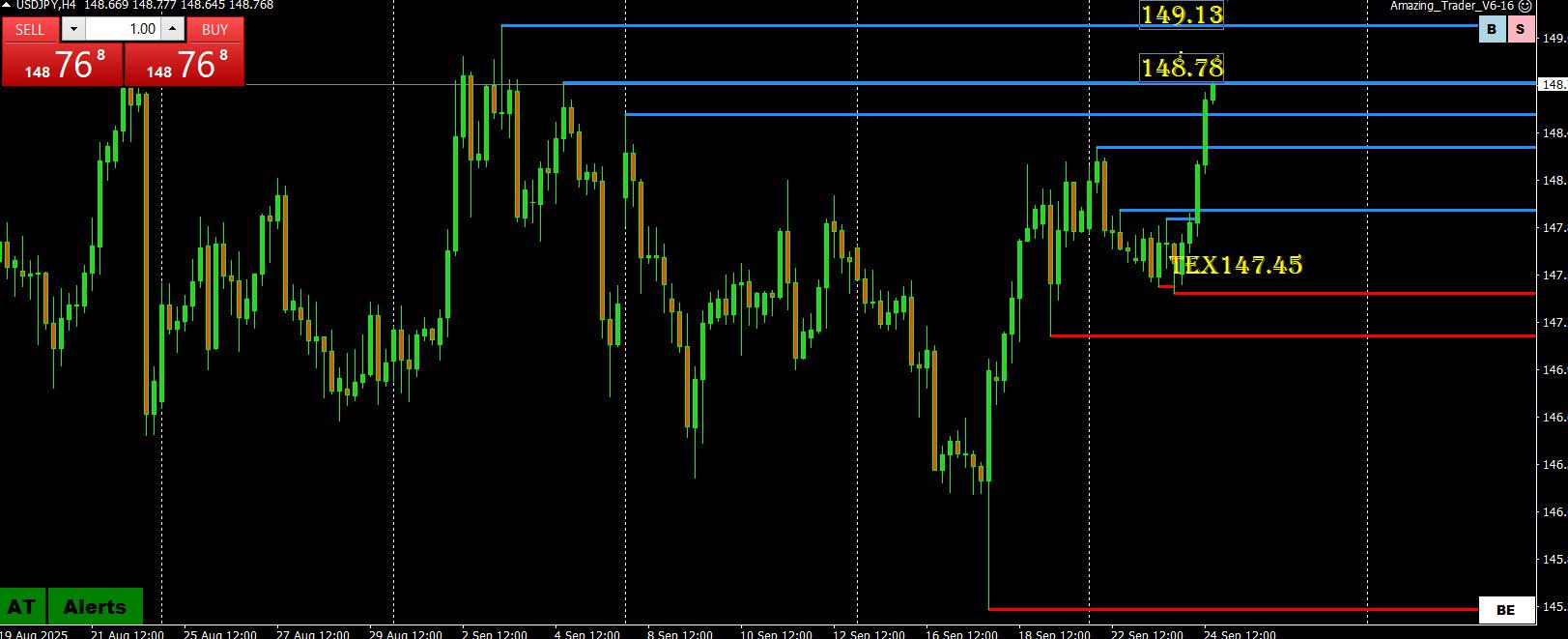
Pivotal levels: EURUSD 1.18, USDJPY 148, GPBUSD 1.35 setting respective tones.
In order of relative strenght vs. the USD
1. AUD
2. CAD
3. NZD
4. CHF
5. GBP
6. EUR
7. JPY
 September 24, 2025 at 8:31 am #31122September 24, 2025 at 8:21 am #31121September 24, 2025 at 8:07 am #31120
Tariff Uncertainty Expected to Slow Global Economic Growth This Year
President Trump’s efforts to reshape global trade with punitive tariff policies are pushing the United States and major economies toward slower economic growth, increasing uncertainty, and cooling investment and trade, according to projections released Tuesday.
The full impact of the higher U.S. tariffs is still playing out, but effects are beginning to be felt by American consumers, who are starting to curb spending, and in labor markets in countries where the duties have led companies to shed workers or curb hiring, the Organization for Economic Cooperation and Development, an intergovernmental group based in Paris, said in its latest outlook..(nyt)
September 23, 2025 at 11:06 pm #31119September 23, 2025 at 11:04 pm #31118September 23, 2025 at 10:18 pm #31117September 23, 2025 at 10:05 pm #31116September 23, 2025 at 9:48 pm #31115Come On In Boyz n Girlz !
where / when have I seen this before ?
– Young people are pushing typical investing strategies to the side, instead favoring higher-risk alternatives like crypto and meme stocks.
– It’s a trend some have dubbed “financial nihilism” and underscores this cohort’s gloomy economic outlook.
“When Jacob Kaplan thinks about his path to financial security, he sees a need to take big risks.
For years, Kaplan has been betting on major sporting events through online platforms, often dedicating 30 hours a week to the hobby. The 25-year-old regularly trades tips with fellow enthusiasts through Discord and bought a membership to sports data platform Bookie Beats to help level up his bets.
“There’s the risk that goes into each individual bet that you take,” Kaplan told CNBC. “But if you surround yourself with the right people and you know what you’re doing, then it kind of answers that problem that my generation is looking to solve of finding some financial security.” …/..
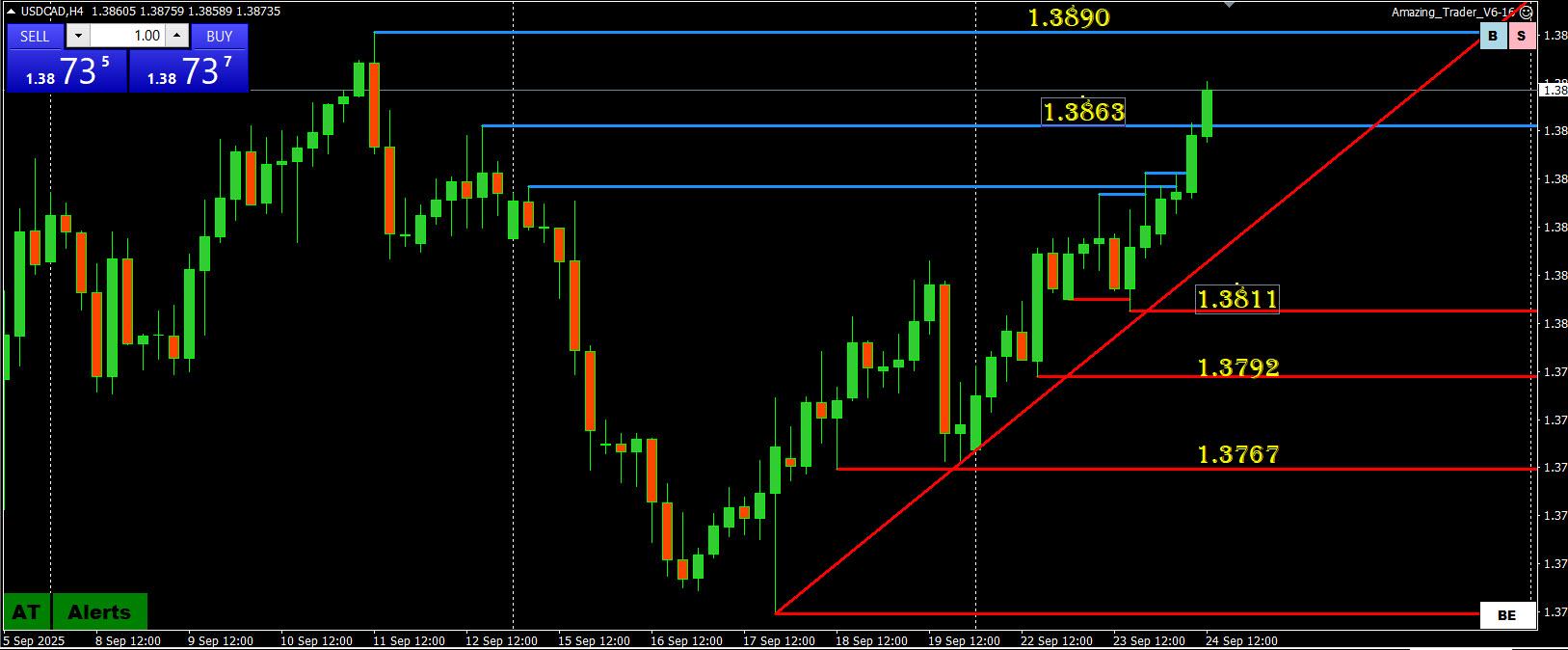
September 23, 2025 at 8:28 pm #31114Canadian dollar hits 11-day low as interest rate spreads weigh
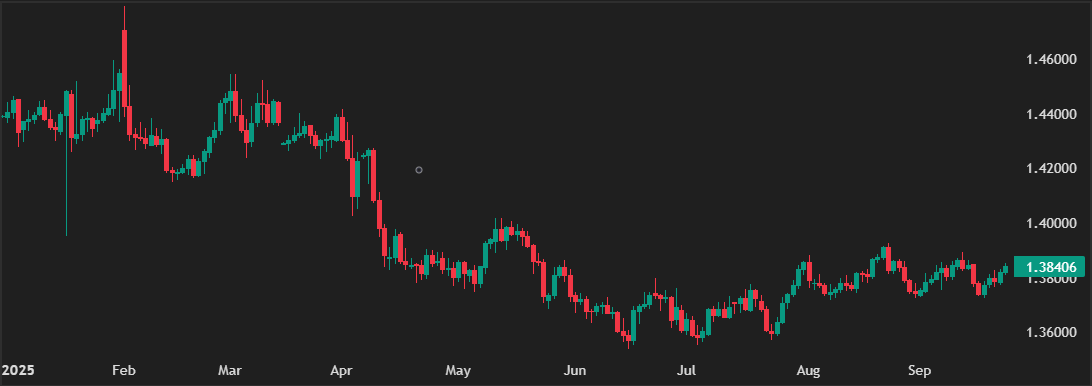
Key points:· Canadian dollar falls 0.2% against the greenback
· Touches its weakest since September 12 at 1.3849
· Price of U.S. oil settles 1.8% higher
· Bond yields edge lower across the curve
The Canadian dollar weakened to an 11-day low against its U.S. counterpart on Tuesday, as the Bank of Canada vowed to support the domestic economy and recent widening of interest rate spreads pressured the currency.
The loonie USDCAD was trading 0.2% lower at 1.3840 per U.S. dollar, or 72.25 U.S. cents, after touching its weakest intraday level since September 12 at 1.3849.
“It’s been a slow grind … but we haven’t materially moved out of the range that’s been in place since the middle of August,” said Amo Sahota, director at Klarity FX in San Francisco.
Recent widening of Canada-U.S. interest rate spreads has contributed to negative sentiment toward the loonie, Sahota added.
The Canadian 2-year yield was trading about 114 basis points below the equivalent U.S. rate, compared to a gap of 92 basis points near the end of August. Investors tend to favor the higher-yielding currency.
The Bank of Canada will support economic growth while ensuring inflation remains well controlled, Governor Tiff Macklem said, speaking less than one week after the central bank cut interest rates for the first time since March.
Investors see a roughly 50% chance the BoC will ease again at its next policy decision on October 29, overnight index swaps data showed. (0#CADIRPR)
The price of oil, one of Canada’s major exports, settled 1.8% higher at $63.41 a barrel after a deal to resume exports from Iraq’s Kurdistan stalled.
Canadian bond yields edged lower across the curve. The 10-year (CA10YT=RR) was down 0.7 basis points at 3.193%.
 September 23, 2025 at 8:22 pm #31113
Fed’s Powell and Bowman stress job market fragility as more rate cuts loom
Federal Reserve Chair Jerome Powell on Tuesday reiterated the central bank’s delicate balancing act, stressing that policymakers are trying to navigate between their price stability and employment mandates following last week’s interest rate cut.
“Recent data show that the pace of economic growth has moderated,” Powell said in prepared remarks at the Greater Providence Chamber of Commerce’s economic outlook luncheon in Rhode Island, adding:
The unemployment rate is low but has edged up. Job gains have slowed, and the downside risks to employment have risen. At the same time, inflation has risen recently and remains somewhat elevated.
He added that clearer trade policy means tariffs will likely trigger only a “one-time pass-through” effect on inflation. That may be interpreted as a slight shift from earlier warnings that tariffs could fuel more sustained cost pressures in the second half of the year.
His comments echoed those of Vice Chair Michelle Bowman, who told the Kentucky Bankers Association’s annual convention on Tuesday: “The US economy has been resilient, but I am concerned about the weakening in labor market conditions and softer economic growth.”
Powell cautioned that there is no risk-free path for interest rates, with elevated inflation on one side and rising unemployment on the other. He suggested, however, that the Fed is increasingly inclined to prioritize its employment mandate.
 September 23, 2025 at 6:19 pm #31112
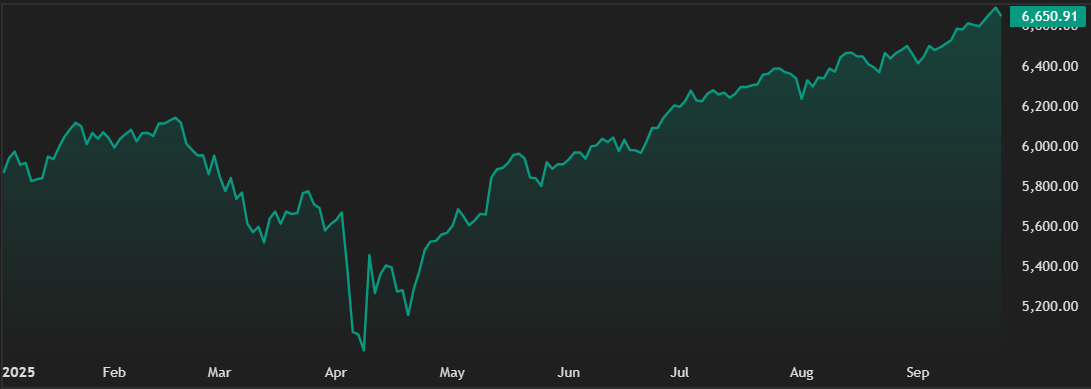
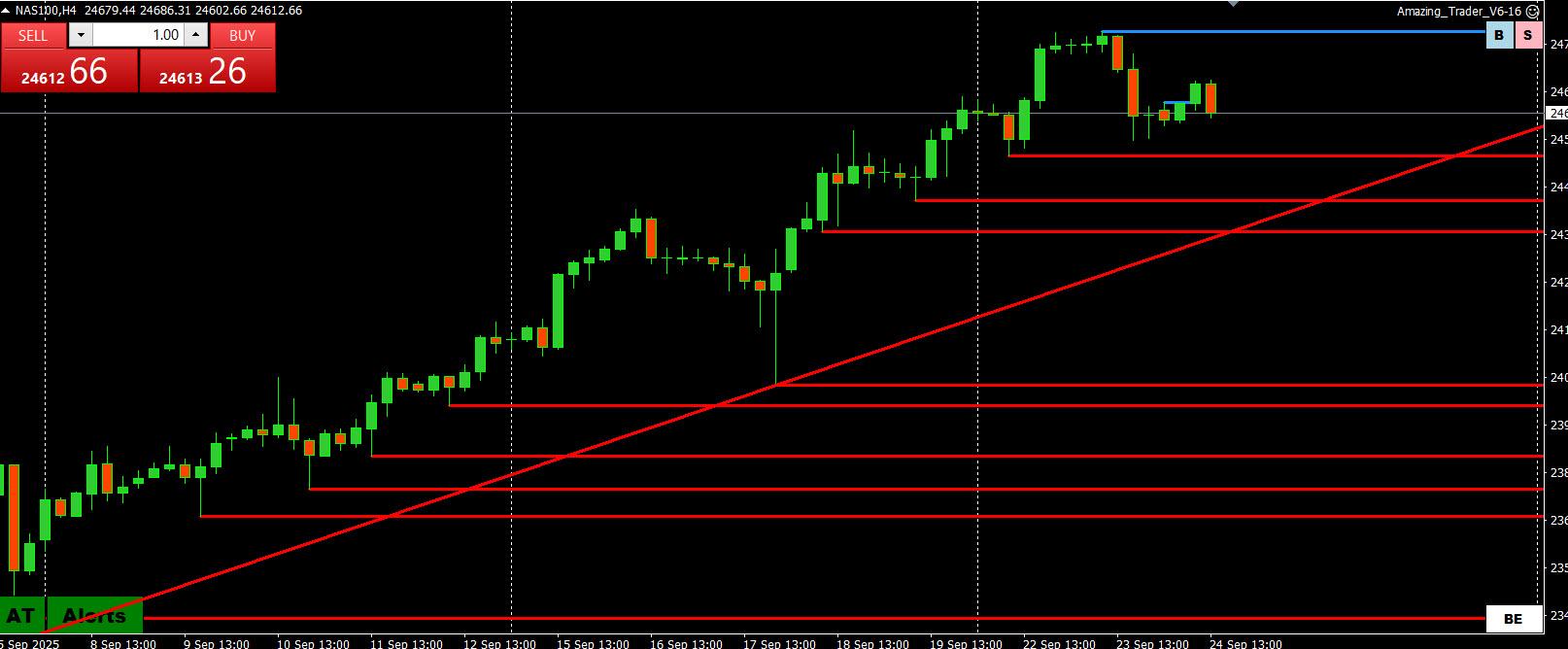
US Stocks Trim Gains on Tech Pullback
US stocks erased early gains on Tuesday amid the pullback from heavyweight tech stocks, as markets continued to gauge whether artificial intelligence returns will meet expectations and assess the outlook on rates.
The S&P 500 and the Nasdaq 100 edged down from yesterday’s record while the Dow held above the headline.
Nvidia dropped nearly 3% to trim most of yesterday’s rally, which was sparked by its plans to invest up to $100 billion in Open AI. Companies with database operation exposure also fell, with Oracle and Amazon dropping 4% and 2%, respectively.
In the meantime, Kenvue jumped over 3% to trim losses from the prior session as investors reconsidered the impact of President Trump’s baseless criticism of the company’s drug, Tylenol.
Additionally, Boeing jumped more than 2% to lead the Dow after Trump said a new order from Uzbekistan Airways is worth $8 billion.
On the macroeconomic front, S&P PMIs pointed to slowing growth ahead of personal income and outlays data on Friday.
SPX Chart
 September 23, 2025 at 6:14 pm #31111
 -
AuthorPosts









- You must be logged in to reply to this topic.
Search
© 2024 Global View