
- This topic has 28,383 replies, 54 voices, and was last updated 12 minutes ago by GVI Forex 2.
-
AuthorPosts
-
March 14, 2026 at 7:12 am #37711March 14, 2026 at 6:48 am #37710

- Critical island hit: President Donald Trump said the US “totally obliterated every military target” on Kharg Island, which handles roughly 90% of Iran’s crude exports. He threatened to attack the island’s oil infrastructure if Tehran continues blocking ships from traversing the Strait of Hormuz.
- •Iran’s threat: Tehran warned it would hit regional oil facilities if its own energy infrastructure was attacked, reported state media. It also reported that no oil infrastructure on Kharg Island was damaged. CNN
March 14, 2026 at 6:27 am #37709March 14, 2026 at 12:07 am #37708
I posted this soon after the war started. Since then there have been unintended consequences
The longer the war goes on the greater the risk of unintended consequences.
The law of unintended consequences states that actions—particularly policy decisions, regulations, or interventions—always have unanticipated, often negative, effects. Popularized by sociologist Robert K. Merton, this principle highlights how complex systems often produce results opposite to their intended purpose due to poor foresight and unforeseen human reactions.
Unintended consequences:
Iran closed the Strait of Hormuz => Oil prices surged => Increased inflation risk => US bond yields rose => Fed rate cut expectations have been scaled back to 1 or none this year => ???
March 13, 2026 at 8:47 pm #37707Who is surprised ?
Iran unleashes oil shock to blunt US firepower By Samia Nakhoul, Reuters
Summary
Tehran restricts energy artery to thwart US pressure
Insurgent-state tactics: Missiles, drones across several fronts
IRGC adopts shadow war approach long used by its proxies
Plan has echoes of Iran’s playbook in 1980-88 war with Iraqinteresting, but piece is not without holes
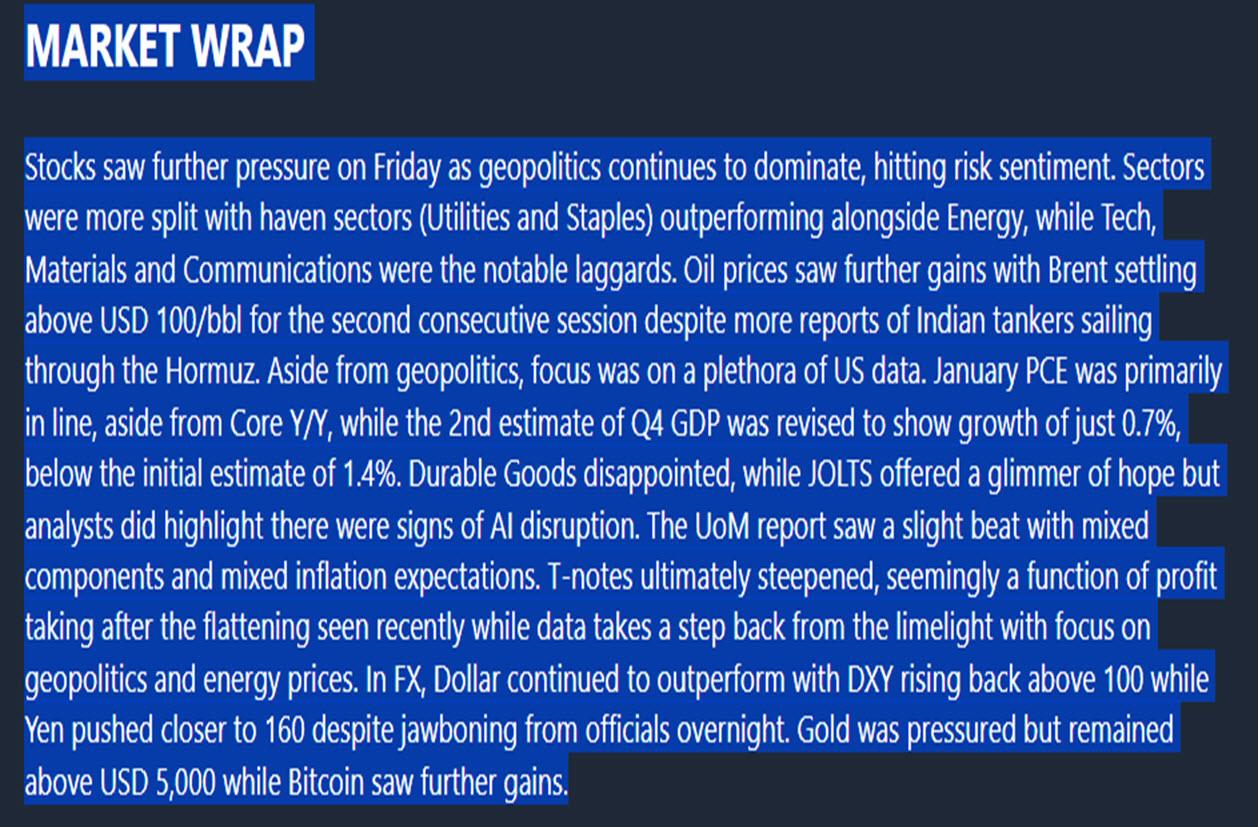
March 13, 2026 at 8:43 pm #37706Newsquawk US Market Wrap 2
(Right click on any image (or chart) to open a full screen in a new tab)
 March 13, 2026 at 8:39 pm #37705
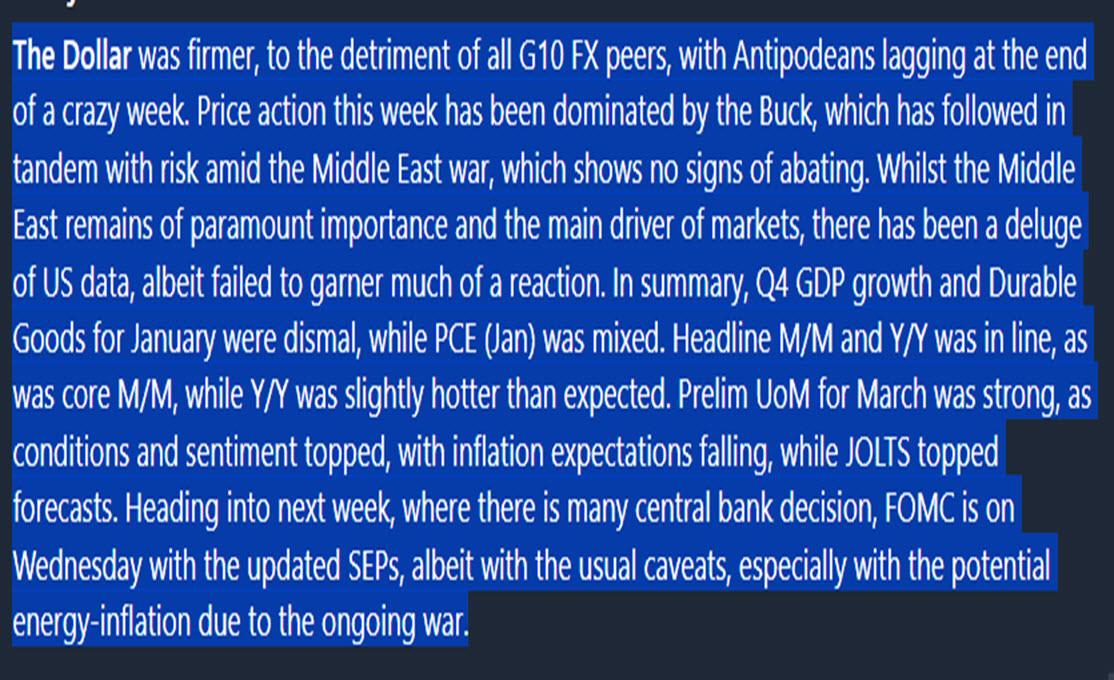
US FX WRAP: Dollar extends on gains as Middle East war rages on
 March 13, 2026 at 8:37 pm #37704March 13, 2026 at 8:36 pm #37703
US FX WRAP: Dollar extends on gains as Middle East war rages on
 March 13, 2026 at 8:34 pm #37702March 13, 2026 at 7:34 pm #37701March 13, 2026 at 4:21 pm #37700March 13, 2026 at 3:36 pm #37699March 13, 2026 at 3:11 pm #37698
NZDUSD (4HR)
The New Zealand dollar fell to around $0.584, reaching its lowest level in more than seven weeks as investors became more cautious due to ongoing tensions in the Middle East.
NZDUSD is trading within a descending channel on the 4-hour timeframe, reflecting continued bearish momentum. The pair recently broke below a key horizontal support level near 0.5930, which has now turned into resistance and reinforced the downside pressure.
Resistance and support around 0.5800, and 0.5860.
 March 13, 2026 at 3:05 pm #37697
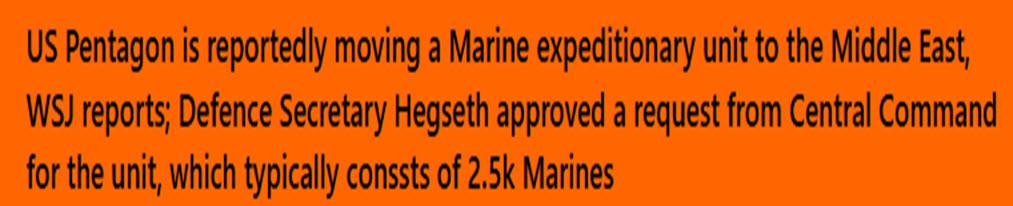
Mood turning risk off, Oil up, USD up, stocks down… no specific news other than this headline and defense ahead of the weekend.’
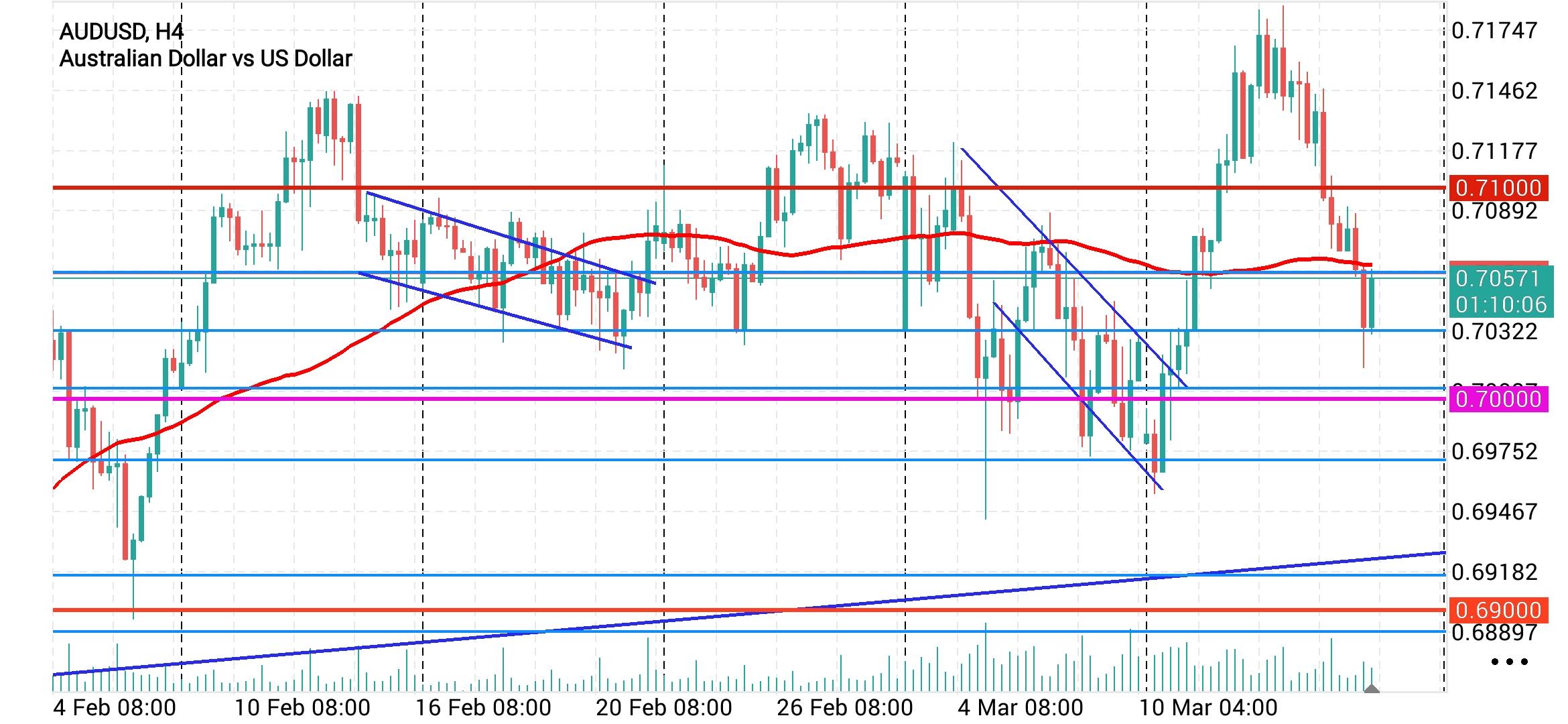
‘March 13, 2026 at 3:01 pm #37696AUDUSD (4HR)
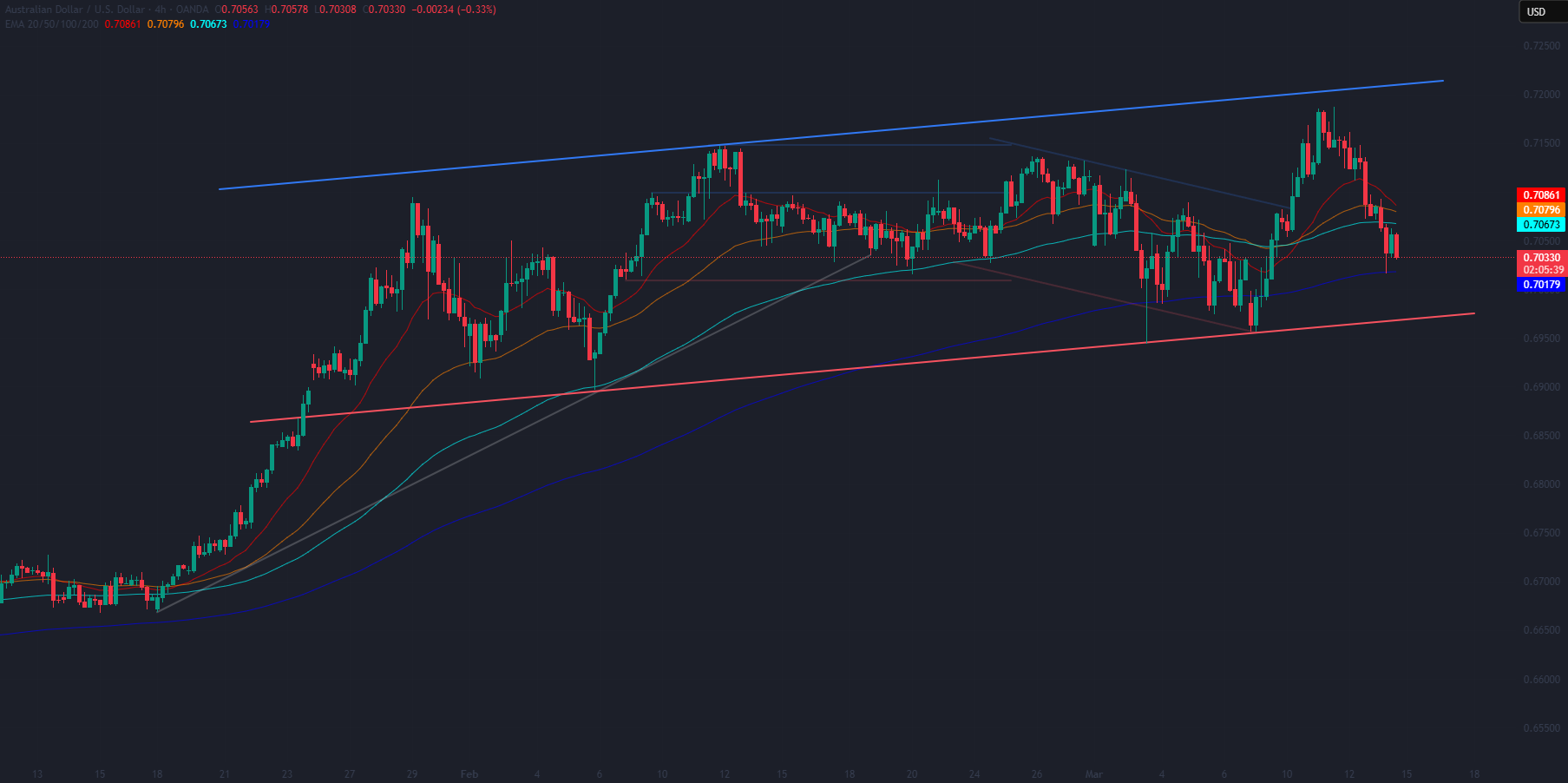
The Australian dollar rose in Asian trading on Wednesday against a basket of global currencies, extending gains for the fourth consecutive day versus the US dollar and reaching its highest level in four years, supported by the decline of the US currency ahead of key US inflation data. However, the pair pulled back from its recent highs as the US dollar regained some strength
AUDUSD has been trading within a broad ascending channel on the 4-hour timeframe. After testing the upper boundary near 0.7150, the pair faced selling pressure and pulled back toward the middle of the structure.
The pair is currently trading near the 200-period EMA around 0.7020. Support is around 0.7000, while resistance is near 0.7080.
 March 13, 2026 at 2:50 pm #37695
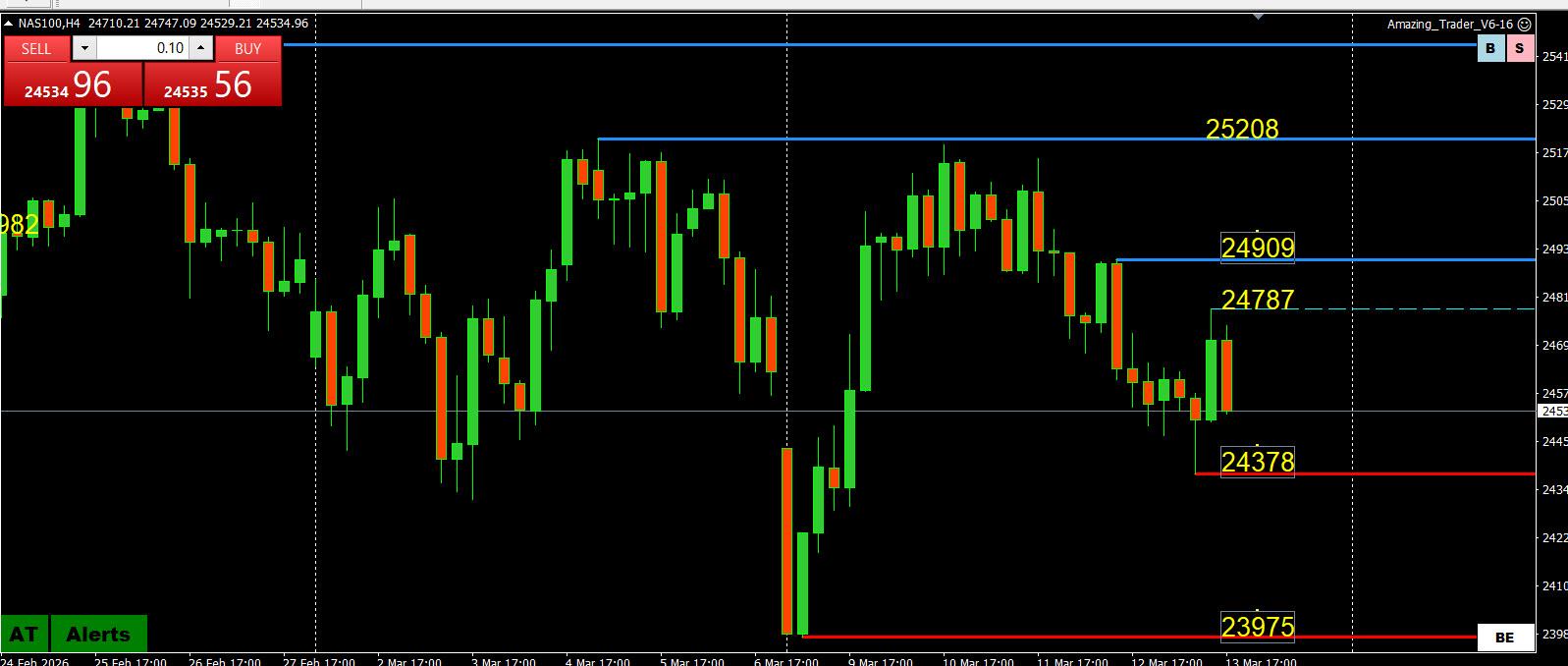
NAS100 (NASDAQ) UPDATE
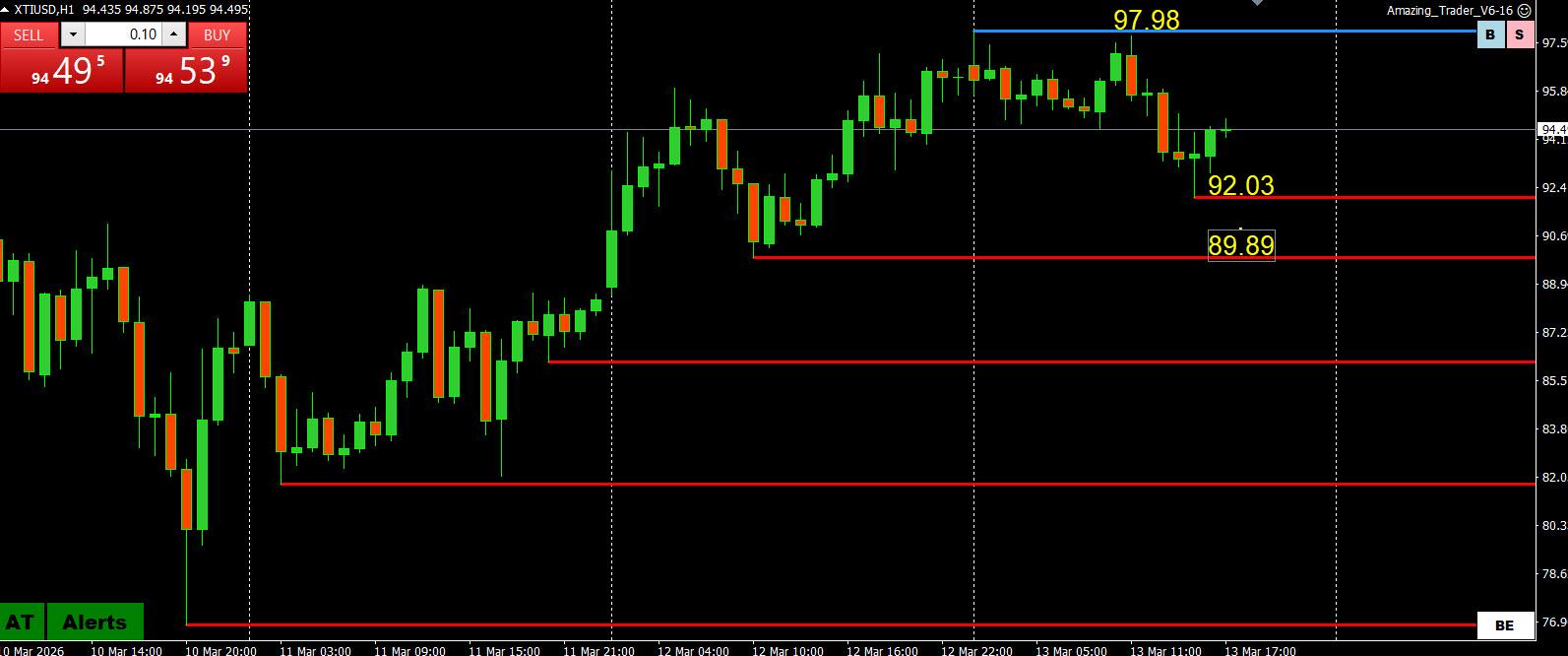
- Getting an early respite from a dip in crude oil but with XBRUSD back above $100 and XTIUSD at $95 ,stocks seem hard pressed to gain up momentum into the weekend.
- For that to occur, a move above 24909 would be needed (high 24787)
- Otherwise, dependent on 24378 holding to keep thoughts away from 23975.
NAS100 4 HOUR CHART
 March 13, 2026 at 2:38 pm #37694March 13, 2026 at 2:33 pm #37693March 13, 2026 at 2:06 pm #37690March 13, 2026 at 2:04 pm #37689
U of M Consumer Sentiment: Slight headline beat, slight expectations miss
 March 13, 2026 at 1:47 pm #37688March 13, 2026 at 1:38 pm #37687
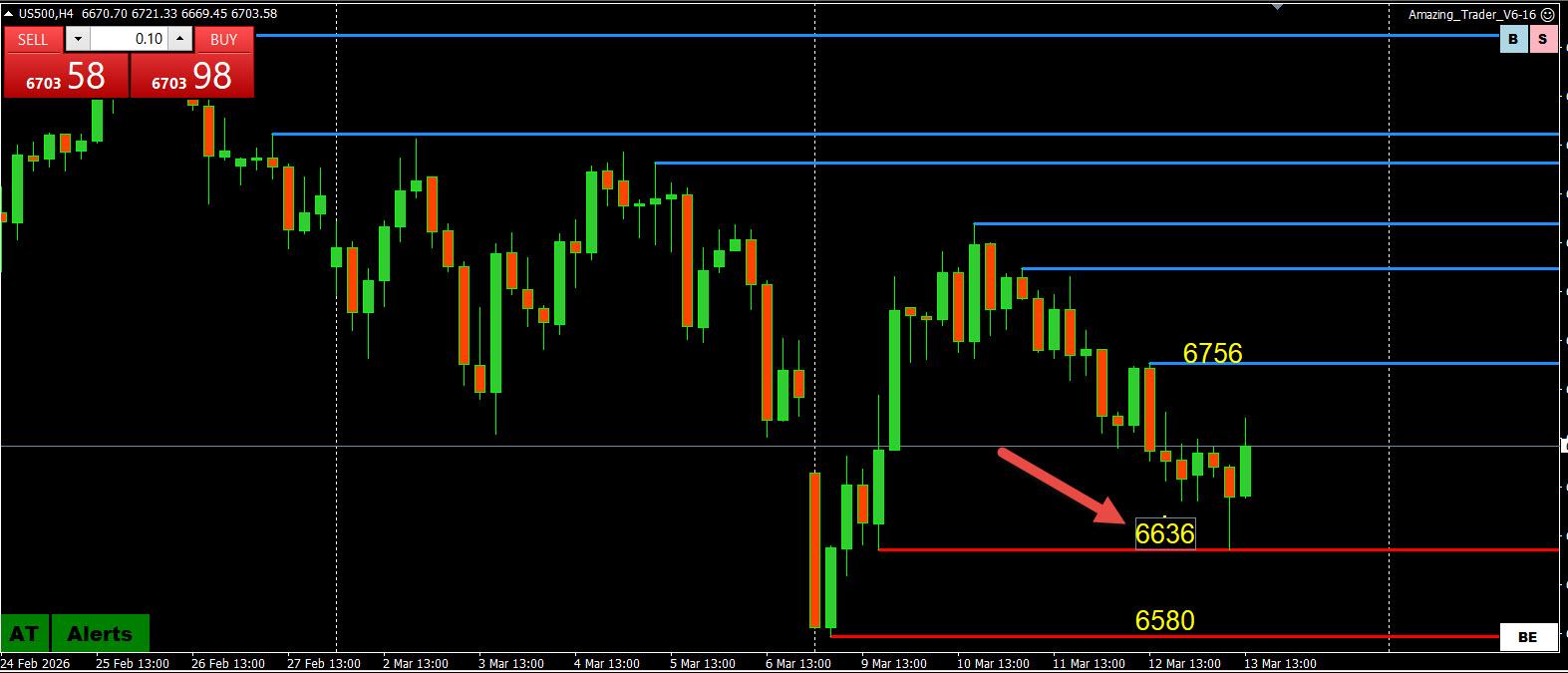
US500 (SP500) UPDATE
- Bounced right off 6636 (Amazing Trader algo chart) to keep the key 6580 low intact
- This cools the downside by maintaining the broad range but would need to break 6756 to negate the risk and shift focus back to 6800.
- Keep an eye on crude oil as the back off highs today helped give stocks a lift.
US500 4 HOUR CHART
 March 13, 2026 at 1:07 pm #37686March 13, 2026 at 1:01 pm #37685March 13, 2026 at 1:00 pm #37684March 13, 2026 at 12:58 pm #37683March 13, 2026 at 12:54 pm #37682March 13, 2026 at 12:52 pm #37681March 13, 2026 at 12:43 pm #37680
-
AuthorPosts








- You must be logged in to reply to this topic.
Search
© 2024 Global View